Why Size Matters in Trampoline Selection
Choosing the right trampoline size balances fun and safety. A 10‑12 ft model suits small yards and younger kids, while 13‑15 ft offers more airtime for teens and adults. Size affects bounce height, enclosure fit, and required clearance, ensuring a safe, enjoyable backyard experience. Ideal for all ages
Safety Considerations for Different Ages
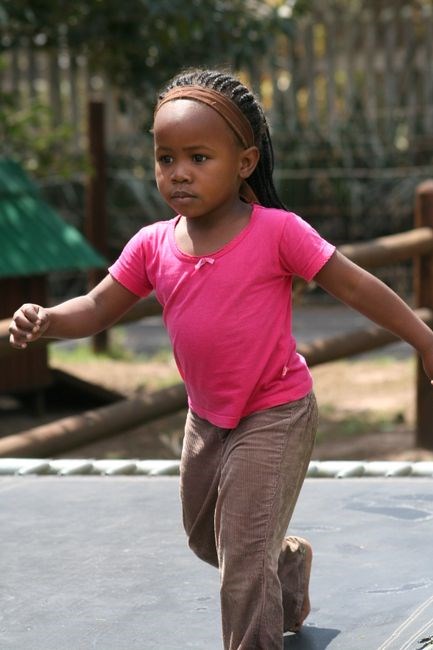
When selecting a trampoline, age‑specific safety rules shape the ideal size. For toddlers and children under six, a 9‑ or 11‑foot round offers a smaller, more manageable platform that keeps the center of gravity close to the frame, reducing the risk of tipping or over‑jumping. The tighter perimeter also helps younger jumpers maintain balance as they learn to land safely. Pre‑teens and teens, who enjoy higher jumps and more airtime, benefit from a 12‑ or 14‑foot trampoline. These larger diameters provide a broader landing zone, allowing more controlled landings and reducing the chance of a hard impact on the frame or enclosure. Adults and advanced jumpers often choose 15‑foot or larger models. The increased surface area supports higher jumps and more complex maneuvers, but it also demands more clearance around the frame to prevent collisions with nearby structures. Regardless of age, all trampolines should feature a safety enclosure that extends at least 3 ft above the mat and 2 ft beyond the edges. Padding on the frame and a sturdy, well‑anchored base further protect users of all ages. By matching the trampoline’s size to the user’s age and skill level, families can enjoy a safer, more enjoyable backyard experience. Remember that the trampoline’s diameter is measured from edge to edge, so a 15‑foot model actually offers 15 feet of mat area, not including the frame. When planning your backyard layout, ensure at least 5 feet of clearance on all sides to accommodate safety enclosures and prevent accidental contact with surrounding structures!!!
Space Requirements in Your Backyard
Before buying a trampoline, measure your yard to ensure enough room for the chosen size plus safety clearance; A 10‑ft trampoline needs a minimum of 20‑ft square space, while a 15‑ft model requires at least 30‑ft square. The enclosure adds extra width, so add 2–3 ft on each side. Place the trampoline away from trees, fences, and power lines, leaving at least 5 ft of clearance in every direction. This buffer protects users from accidental contact with nearby structures and allows the frame to sit flat on the ground. If your yard is narrow, consider a round trampoline, which fits more easily into tight corners. For uneven ground, use a level pad or a concrete slab to keep the mat stable. Always check local regulations; some municipalities require a minimum distance from property lines. By planning the layout carefully, you can enjoy a safe, spacious jumping area that accommodates family members of all ages and skill levels.
When installing, consider a level pad or concrete slab to keep the mat stable. A flat surface ensures even bounce and reduces injury risk. Place the trampoline on a soft, even ground to protect the frame and reduce wear. If space is limited, a round trampoline fits tighter corners, maximizing yard use. Keep a safety net and pad in place, and check local codes for minimum clearance from property lines. With proper planning, your backyard trampoline becomes a safe activity for ages, providing hours of exercise; Enjoy safe jumps every day and family fun.

Standard Trampoline Dimensions Explained
Standard trampoline sizes are usually measured by overall diameter, ranging from 9 ft to 15 ft for round models. The frame width is slightly smaller than the mat, leaving a 2‑inch gap for safety padding. Common 10‑ft and 12‑ft fit most families, while 14‑ft and 15‑ft offer more airtime for pro jumpers.
Common Diameter Measurements
Trampoline diameters are typically expressed in feet, with the most frequently seen sizes falling between 9 ft and 15 ft. A 9‑ft or 10‑ft round model is ideal for small yards and younger children, offering a safe, manageable surface that still allows a few jumps of moderate height. For families with older kids or adults who enjoy longer airtime, 12‑ft and 13‑ft options provide a larger platform while remaining within the constraints of most backyards. The 14‑ft and 15‑ft models are the largest commonly available round trampolines, delivering the greatest jump space and higher bounce potential, but they also demand more clearance and a sturdier enclosure. When selecting a diameter, consider the total area required, including the safety net and padding, as well as the height of the surrounding terrain. Many manufacturers list the frame diameter separately from the mat diameter; the frame is usually 2 inches narrower to accommodate edge protection. Choosing the right size ensures that the trampoline fits comfortably in your space, meets safety guidelines, and provides the desired level of excitement for all users. When considering the size, it is essential to evaluate the available backyard area, ensuring that the trampoline’s diameter plus a minimum clearance of 3 feet on all sides does not exceed the space, and to account for potential obstructions such as trees, fences, or uneven ground, which can affect both safety and the overall enjoyment of the trampoline experience for users of all ages. keep them safe.!
Frame vs. Platform Size
When shopping for a trampoline, the frame and platform are two distinct measurements that can influence both safety and performance. The frame is the metal skeleton that holds the mat in place; its diameter is typically 2–4 inches smaller than the mat itself to allow for edge protection and padding. For example, a 12‑ft trampoline might have a 10‑ft mat but a 12‑ft frame, giving a 1‑inch safety buffer on each side. The platform, or mat diameter, is the actual surface area where users jump. A larger platform increases the distance from the center to the edge, allowing for higher jumps and more airtime, but it also requires a larger enclosure and more clearance. Manufacturers often list both measurements separately, and buyers should verify that the frame size will fit within the available yard space while the platform offers enough room for their intended users; Additionally, the frame’s width and material quality affect the trampoline’s durability; a thicker frame can better support heavier users and reduce wobble. Padding thickness, usually 2–3 inches, is added around the platform edges, and it is crucial that the frame’s design accommodates this padding without compromising the mat’s tension. Understanding the distinction between frame and platform sizes helps ensure that the trampoline meets safety standards, fits the backyard, and provides the desired jumping experience. Choosing a frame that matches the platform size ensures tension across the mat, preventing uneven jumps and extending the trampoline’s lifespan.!!

Choosing the Right Size for Your Family
Determine family size and age range first. For toddlers, a 9‑ft trampoline offers safe, controlled jumps. Middle‑aged kids benefit from 11‑ft models, while teens and adults prefer 13‑ft or larger for higher airtime. Always match size to yard space and safety guidelines. Keep a 3‑ft clearance for safe.
Kids Under 6 Years Old
When selecting a trampoline for children under six, size, safety, and supervision are paramount. A 9‑foot diameter offers a compact, manageable platform that keeps the jump area close to the center, helping young jumpers maintain balance as they learn basic skills. The smaller footprint also reduces the risk of accidental over‑jumping and allows parents to keep a closer eye on play. A 10‑ or 11‑foot model can be considered if the yard provides extra space and the family prefers a slightly larger surface for more playful activity, but it still keeps the jump zone within a safe radius. All trampolines in this range should feature a full‑enclosure net that extends at least 4 feet above the frame to prevent falls. The enclosure should be made of sturdy, UV‑resistant material with a smooth finish to avoid cuts. Adequate padding—at least 2 inches of high‑density foam—covers the frame and springs, protecting children from impact. Additionally, a minimum clearance of 3 feet around the trampoline is essential to avoid collisions with nearby objects. Parents should also consider the weight limit; most 9‑ to 11‑foot trampolines support 250–300 pounds, which comfortably accommodates a growing child. Regular inspection of springs, frame integrity, and enclosure condition ensures continued safety. By choosing a trampoline that balances size, protective features, and yard space, families can provide a fun, secure jumping experience for their youngest members.
Parents should set an inspection routine to catch wear earlyand replace parts!
Pre-Teens and Teens
For children aged 6 to 12, trampoline size should accommodate increased height and skill level. A 12‑foot diameter offers a generous jump area while still fitting comfortably in most backyards. A 13‑to‑15‑foot model is ideal for teens who enjoy higher jumps and advanced tricks, A 13‑to‑15‑foot model is ideal for teens who enjoy higher jumps and advanced tricks, regardless of size, a full‑enclosure net that extends at least 4 feet above the frame is mandatory to prevent falls. The enclosure should be constructed from durable, UV‑resistant material with a smooth finish to reduce injury risk. Padding of at least 2 inches of high‑density foam should cover the frame and springs, protecting against impact. Weight limits for these models typically range from 300 to 400 pounds, ensuring safety as kids grow. Adequate clearance of 3 feet around the trampoline is essential to avoid collisions with nearby objects. Regular inspection of springs, frame integrity, and enclosure condition is crucial for ongoing safety. Parents should establish a routine check and replace worn parts promptly. By selecting a trampoline that balances size, safety features, and yard space, families can provide a fun, secure jumping experience for pre‑teens and teens.
When setting up the trampoline, consider a windbreak or shade structure to extend playtime during hot days. A lightweight canopy can also protect the mat from UV damage, preserving bounce quality. Finally, keep the area dry for safe jumps!!! Keep the area dry for safe jumps!!!
Adults and Advanced Jumping
Adults seeking a high‑energy workout or advanced tricks require a trampoline that delivers ample surface area and robust construction. A 15‑foot diameter offers a 225‑square‑foot platform, providing the room needed for double‑back flips, aerials, and synchronized routines. The larger frame distributes body weight more evenly, reducing spring fatigue and extending lifespan. For serious athletes, a 14‑foot model with a reinforced steel frame and 3‑inch foam padding on the springs ensures maximum impact absorption. The enclosure must be a full‑enclosure net that rises at least 4 feet above the frame, preventing accidental falls during high‑velocity jumps. Weight limits for these models typically exceed 400 pounds, allowing adults to jump comfortably without compromising safety. Regular inspection of the springs, frame bolts, and enclosure mesh is essential; replace any worn components promptly. Adequate clearance of 3 feet around the trampoline protects against collisions with nearby objects. A windbreak or shade structure can extend playtime and protect the mat from UV degradation. By selecting the right size and safety features, adults can enjoy a safe, high‑performance trampoline experience.
Using a large trampoline demands vigilance: always have a spotter to monitor for potential hazards. Inspect the mat monthly for tears, especially after heavy use. Replace any bent spring immediately. Check the enclosure for frayed edges and secure fastenings. A sturdy base with a rubberized surface prevents slipping during landings. Installing a windscreen reduces wind‑induced oscillations, improving jump stability. Maintain a cleaning schedule: wash the mat with mild detergent, dry thoroughly, and store it in a dry location during off‑season to preserve elasticity.Thanks
Balancing Size with Safety Features
Choosing the right trampoline size means pairing it with proper safety features. A larger frame demands a full enclosure that rises at least 4 feet, while a 10‑ft mat needs a 3‑foot clearance. Foam padding on springs and a sturdy frame reduce impact, keeping jumps safe for all ages. Keep it safe! Here

Enclosure Types and Their Impact
Enclosures are the first line of defense against accidental falls and collisions. The most common styles are the standard fence, the soft‑edge enclosure, and the custom‑fit barrier. Each type interacts differently with trampoline size and user activity.
- Standard Fence: A rigid, 4‑foot tall barrier that surrounds the entire frame. It works well with 10‑12 ft mats, offering a clear boundary that prevents children from stepping off. However, larger 13‑15 ft trampolines require a higher fence or an additional safety rail to maintain the recommended 4‑foot clearance.
- Soft‑Edge Enclosure: Made from flexible mesh or padded panels, this option reduces the risk of injury when a child contacts the barrier. It is ideal for families with toddlers or for backyard spaces where a rigid fence might obstruct views; The soft edge can be paired with a 3‑foot clearance for 9‑11 ft trampolines, but for bigger models it still needs a 4‑foot height to meet safety guidelines.
- Custom‑Fit Barrier: Designed to match the exact dimensions of a trampoline, these enclosures provide a snug fit that eliminates gaps. They are especially useful for 15‑ft mats where standard fences may leave a 2‑inch space between the frame and the fence. Custom barriers also allow for integrated safety rails that can be lowered for younger users and raised for advanced jumpers.

When selecting an enclosure, consider the trampoline’s diameter, the typical user age group, and the available backyard clearance. A well‑chosen enclosure not only protects but also enhances the overall experience by giving users confidence to jump higher and longer.
Padding and Edge Protection
Edge protection is essential for every trampoline, regardless of size. The most common solutions are foam pads, rubber mats, and edge guard panels. Foam pads, typically 1‑inch thick, sit directly on the frame and absorb impact from falls. They are lightweight and easy to install, but they can compress over time and may need replacement after a few years of heavy use. Rubber mats, usually 2‑inch thick, provide a more durable surface that resists wear and UV damage. They are ideal for larger 13‑15 ft trampolines where users jump higher and spend more time on the edge. Edge guard panels are a hybrid solution: a 3‑inch high, flexible barrier that wraps around the frame and can be secured with Velcro or clips. These panels are especially useful in tight backyards because they occupy less space than a full fence while still preventing accidental slips. When selecting padding, consider the trampoline’s diameter: smaller 9‑11 ft models can comfortably use foam pads, whereas larger 12‑15 ft models benefit from rubber mats or edge guard panels for added safety. Proper installation—ensuring the pads are flush with the frame and free of gaps—maximizes protection and extends the lifespan of the trampoline. Always replace worn padding to maintain a safe jumping environment. In addition, many manufacturers now offer modular padding kits that can be swapped out seasonally, allowing you to adjust thickness for winter use or to accommodate new safety regulations that may arise over time to meet evolving standards!
Space Allocation and Placement Tips
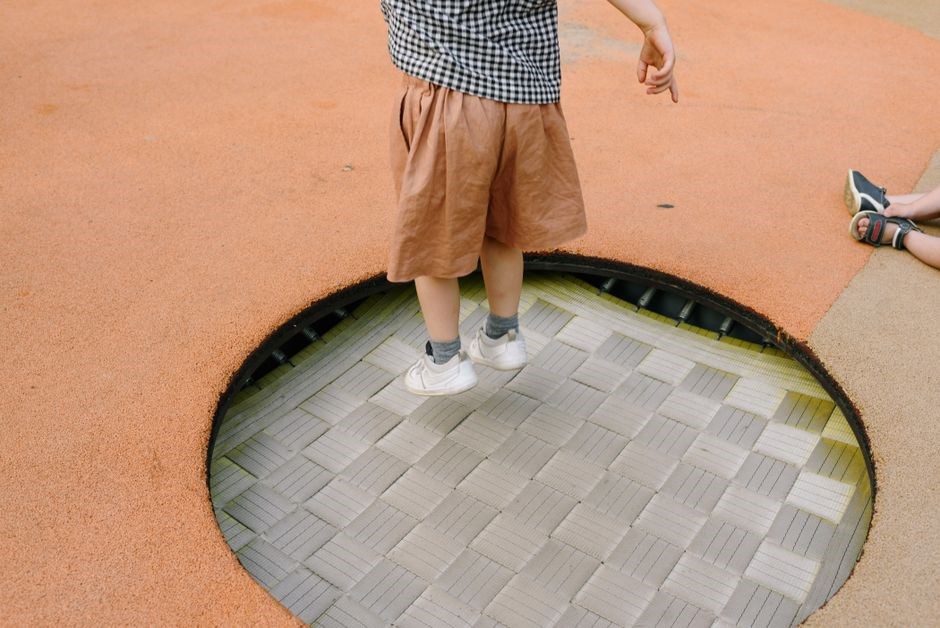
Measure a minimum of 3 feet clearance around the trampoline, including the frame and padding. Place it on a flat, level surface free of debris. Keep it away from trees, fences, and power lines, and orient it so wind does not push the frame. inspect for wear .
Minimum Clearance Around the Trampoline
When installing a trampoline, the space around it is as important as the trampoline itself. A general rule of thumb is to leave a minimum of 3 feet (about 1 meter) of clear, flat ground on all sides of the frame. This buffer protects users from accidental contact with the frame. The clearance should also accommodate the trampoline’s padding and any safety enclosure, which can add an extra foot or more to the overall footprint. If you have a larger model, consider extending the buffer to 4 feet to allow for more vigorous activity and to reduce the risk of collisions with nearby trees, fences, or power lines.
Before placing the trampoline, survey the area for uneven ground, rocks, or debris that could damage the frame or cause injury. Level the surface with a lawn roller or by filling low spots with soil and compacting it. Avoid placing the trampoline over a slope or a spot that might collect water after rain, as moisture can weaken the frame or cause the springs to rust. If the backyard has a slope, position the trampoline on the gentlest part of the slope or use a base plate to level it.

Keep the trampoline at least 10 feet away from any trees, especially those with low branches, to prevent falling limbs from striking users. Also maintain a safe distance from fences, walls, and power lines; a minimum of 8 to 10 feet is recommended. This distance reduces the chance of accidental contact with electrical wires or structural hazards.
Inspect surroundings regularly to keep the trampoline safe now.!
Orientation and Environmental Factors
Choosing the right orientation for your trampoline dramatically influences safety and performance. Align the center line parallel to the longest side of the yard to ensure even weight distribution and reduce tipping risk. If the yard is sloped, orient the trampoline so the slope runs perpendicular to the frame; this keeps the platform level and prevents uneven bounce.
Sun exposure is another critical factor. In most climates, placing the trampoline on a north‑south axis allows balanced sunlight throughout the day, preventing hot spots that can degrade the mat. In hot regions, consider a shaded area or install a canopy to keep the surface cool and extend the life of the springs and padding. Avoid direct, intense sun for extended periods, as UV radiation can cause the mat to crack and the springs to lose elasticity.
Wind direction also matters. Position the trampoline so that prevailing winds blow across the frame rather than directly against it. Strong side‑winds can cause the enclosure to sway, increasing the risk of accidental contact. If you live in a windy area, a reinforced frame or an enclosure with a wind‑break can mitigate this issue.
Finally, consider nearby obstacles. Keep a minimum of 10 feet from trees, fences, and power lines. Trees with low branches can fall onto the trampoline, while power lines pose a serious electrical hazard. A clear perimeter also allows safe entry and exit, especially for children who may be less aware of their surroundings.