Discover how to play a bass guitar with our beginner‑friendly PDF guide. It covers basic setup, tuning, and essential techniques, plus 130+ exercises and backing tracks. Start mastering rhythm, tabs and scales to build confidence and join the groove.
Download now and start rocking the low end!!!.

Essential Equipment and Setup
Choosing the right bass guitar is the first step toward a smooth learning curve. A 4‑string, medium‑action instrument with a comfortable neck width is ideal for beginners. Look for a solid‑body model with a balanced pickup set‑up; a single‑coil or hum‑bucker combo offers versatility without overwhelming volume.
Amplification is equally important. A small, 30‑watt combo amp or a 100‑watt practice amp provides enough headroom for clean tones and subtle distortion. Pair it with a high‑quality instrument cable (¼‑inch, 10‑20 ft) to maintain signal integrity.
A clip‑on tuner or a digital tuner app keeps your strings in tune during practice. A lightweight, adjustable strap prevents fatigue during extended sessions. If you wish to experiment with tone, a simple overdrive or compression pedal can add depth without complicating the signal chain.
Finally, store your gear in a padded case or gig bag. The PDF guide lists recommended brands and models, helping you budget without compromising quality. With the right equipment and a clear set‑up, you’ll be ready to dive into the world of bass playing.
Regular maintenance keeps your bass sounding bright. Clean the fretboard with a soft cloth after each session, and change strings every 3‑4 months if you play often. Inspect the cable for frays and replace it if needed. A small pedalboard can hold a tuner, a simple overdrive, and a compressor for practice. A metronome or click‑track app helps keep time while you work on groove and precision.
Enjoy bass journey.
Familiarizing with the Bass Guitar Anatomy
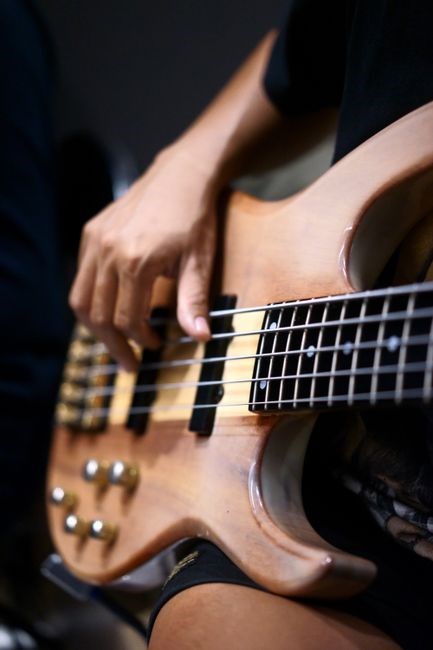
Explore the bass’s core parts: headstock, neck, fretboard, body, pickups, bridge, and strap buttons. Each component shapes tone, playability, and comfort. Understanding these elements lets beginners adjust setup, choose strings, and troubleshoot issues confidently. Daily practice unlocks natural groove!!!
Discover how to play a bass guitar with our beginner‑friendly PDF guide. It covers basic setup, tuning, and essential techniques, plus 130+ exercises and backing tracks. Start mastering rhythm, tabs and scales to build confidence and join the groove.
Download now and start rocking the low end!!!.
Explore the bass’s core parts: headstock, neck, fretboard, body, pickups, bridge, and strap buttons. Each component shapes tone, playability, and comfort. Understanding these elements lets beginners adjust setup, choose strings, and troubleshoot issues confidently. Daily practice unlocks natural groove!!!
Parts of the Bass and Their Functions
Begin with the headstock, where tuning pegs secure strings and define pitch. The neck, extending to the fretboard, offers a surface; frets mark precise notes, while the nut guides string height. The body houses pickups—magnetic or piezo—that capture string vibration, shaping tone. The bridge anchors strings and adjusts intonation. Strap buttons and a strap lock provide stability. Understanding each part empowers beginners to adjust setup, select appropriate strings, and troubleshoot issues, ensuring a comfortable and resonant playing experience.
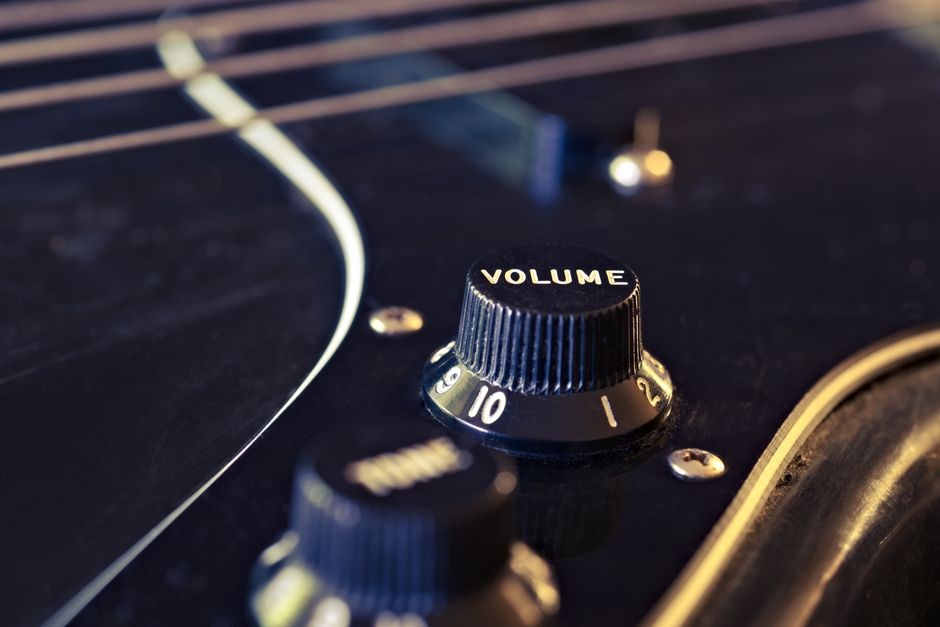
Pickup type—single coil, humbucker, or active—defines bass tone. Volume tone knobs shape output; proper grounding eliminates hum!!
The strings—typically 4 or 5—are the primary sound source. Their gauge, material, and tension influence tone and playability. Light gauge strings are easier to bend, while heavier gauges provide sustain and depth. String choice also affects the feel of the neck, requiring adjustments to action and intonation. Proper string maintenance keeps the instrument resonant and reliable.

The tuning pegs, located on the headstock, allow precise pitch adjustment. They are typically made of brass or steel, offering durability and smooth rotation. The nut, a small strip at the neck’s end, sets string height and spacing; a worn nut can cause intonation problems. The bridge, whether a fixed or tremolo type, anchors strings and determines pickup placement. Hardware quality directly affects sustain, intonation, and overall tone.
Additionally, the bass’s weight and balance affect playability; a well‑adjusted instrument allows smooth transitions between chords and single‑note runs, enhancing expression.

Tuning Your Bass: Standard and Alternative Tunings
Tuning your bass is essential for a solid sound.Tuning your bass is essential for a solid sound.Tuning your bass is essential for a solid sound.Tuning your bass is essential for a solid sound.Tuning your bass is essential for a solid sound.Tuning your bass is essential for a solid sound.Tuning your bass is essential for a solid sound.Tuning your bass is essential for a solid sound.Tuning your bass is essential for a solid sound.Tuning your bass is essential for a solid sound.Tuning your bass is essential for a solid sound.Tuning your bass is essential for a solid sound.Tuning your bass is essential for a solid sound.Tuning your bass is essential for a solid sound.Tuning your bass is essential for a solid sound.Tuning your bass is essential for a solid sound.Tuning your bass is essential for a solid sound.Tuning your bass is essential for a solid sound.Tuning your bass is essential for a solid sound.Tuning your bass is essential for a solid sound.Tuning your bass is essential for a solid sound.Tuning your bass is essential for a solid sound.Tuning your bass is essential for a solid sound.Tuning your bass is essential for a solid sound.Tuning your bass is essential for a solid sound.Tuning your bass is essential for a solid sound.Tuning your bass is essential for a solid sound.Tuning your bass is essential for a solid sound.Tuning your bass is essential for a solid sound.Tuning your bass is essential for a solid sound.Tuning your bass is essential for a solid sound.Tuning your bass is essential for a solid sound.Tuning your bass is essential for a solid sound!!

Fundamental Playing Techniques
Learn core skills: plucking, muting, slapping, and fingerstyle. The PDF guides you through proper hand positioning, palm‑mute, and rhythmic patterns. Practice with metronome, use backing tracks, and progress to syncopated groove!!!!
Fingerstyle vs. Plectrum Technique
Choosing between fingerstyle and plectrum shapes the bass voice you’ll create. Fingerstyle, using thumb and index or middle finger, offers natural dynamics, percussive accents, and the ability to play multiple notes simultaneously. It is ideal for funk, jazz, and groove‑heavy genres where subtle articulation matters. Plectrum, or pick, delivers a crisp attack, consistent volume, and faster attack for straight‑ahead rock or metal. It also simplifies playing fast single‑note lines and allows for a more aggressive tone. The PDF guide provides side‑by‑side examples, showing how the same riff sounds with each approach. Practice drills include alternating thumb‑index patterns for fingerstyle, and alternate‑pick strokes for plectrum. Use a metronome to build precision, and record yourself to compare tonal balance. Experiment with string choice: thicker strings favor plectrum clarity, while lighter strings respond better to fingerstyle nuance. Ultimately, the best technique depends on the musical context and personal comfort; many players blend both for versatility.
Additionally, the PDF includes a comparative chart that highlights tonal differences, dynamic range, and typical genre usage for each technique. It also offers a troubleshooting section for common issues like string buzz, hand fatigue, and picking angle. By following the step‑by‑step drills, you’ll develop muscle memory and a versatile playing palette that can adapt to any musical setting.
Encourages experimentation with picking to blendand stylesand seamlessly.

Learning to Read Tabs and Rhythm
Our PDF demystifies tablature: note numbers, string numbers, and rhythmic symbols. Practice counting beats, subdividing eighths, and syncing with backing tracks. Mastering rhythm ensures tight grooves and confidence in any bass line. Play along to sharpen timing.
Understanding Time Signatures and Beat Division
Time signatures are the backbone of any bass groove, telling you how many beats fall in each measure and which note value receives one beat. In a 4/4 piece, the bass line often walks in eighth‑note patterns, while a 3/4 waltz demands a strong down‑beat on the first beat and lighter accents on the second and third. The PDF guide explains how to read the top line of a staff, identify the numerator and denominator, and translate that into feel. learn!
Beat division is the art of breaking down those beats into smaller units—eighths, sixteenths, or triplets—so you can sync with drums and other instruments. The exercises in the PDF use simple visual cues: a dotted line for a dotted eighth, a slash for a triplet, and a solid bar for a straight eighth. By practicing these patterns on a metronome, you develop the muscle memory needed to keep the groove steady.
Understanding how to count in both the head and the hands is crucial. The guide shows how to count “1‑and‑2‑and‑3‑and‑4‑and” for 4/4, and also demonstrates how to shift accents to create syncopation. This foundation allows you to read any bass line, whether it’s a simple root‑chord pattern or a complex walking line with chromatic passing notes.
Finally, the PDF includes a section on “beat subdivision drills.” These drills ask you to play a single note on the down‑beat, then add a syncopated off‑beat, gradually increasing tempo. By mastering these drills, you’ll be able to read and play any time signature confidently, making your bass playing musical !

Core Exercises and Warm‑Ups
Begin with finger‑strength drills, then move to 4‑string scale runs, and finish with arpeggio patterns. The PDF offers 130+ exercises, each with tabs and backing tracks, ensuring a balanced warm‑up that builds technique and confidence. Daily practice boosts speed, accuracy, and musical feel. and rhythm.!
Scale Practice: Minor and Harmonic Minor Modes
In the PDF, 101 exercises focus on mastering melodic and harmonic minor scales on a four‑string bass. Each lesson begins with a clear tab, followed by a backing track that highlights the mode’s interval structure. The drills progress from simple runs to complex arpeggios, reinforcing half‑step and augmented‑second leaps daily.
Practice each mode at multiple positions: start on the open E string, then move to the 5th fret, and finally to the 12th. This positional approach trains left‑hand muscle memory and helps you navigate the fretboard efficiently while building rhythmic consistency and tight groove feel in every phrase that enhances your musical expression.
The PDF includes tempo‑controlled drills that encourage consistent metronome use, helping you build speed and precision. Each exercise pairs a scale pattern with a simple chord progression, such as Am–Dm–E7, to contextualize the mode’s function within a harmonic framework and your musical expression will grow as you apply these techniques.
To deepen understanding, transcribe bass lines from songs that feature minor and harmonic minor scales, such as “Smooth Criminal.” Listening closely and replicating phrasing reinforces theory and improves your ear. The PDF offers a step‑by‑step transcription guide, making the process approachable for beginners and help you master modal nuances effectively.
For further study, the PDF links to video tutorials on modal interchange, interactive chord charts, and a community forum where you can share progress and receive feedback. Engaging with these materials keeps practice fresh, motivates continuous improvement, and connects you with a supportive bass‑playing network for your growth and musical!!!
Arpeggio Building
Arpeggios are the backbone of bass lines, and the PDF’s arpeggio module is designed to integrate smoothly with the scale lessons. Each arpeggio exercise begins with a simple triad pattern—root, third, fifth—played across the open E, A, D, and G strings. The instructor then expands the pattern to seventh and extended chords, encouraging you to explore the 9th, 11th, and 13th intervals in a single phrase. By practicing these patterns in both ascending and descending order, you develop a solid sense of tonal direction and rhythmic placement. Practice daily, feel rhythm!
The PDF’s layout uses a dual‑column format: the left column shows the tablature, while the right column lists the corresponding chord symbols and a short musical phrase that demonstrates how the arpeggio fits into a groove. Each arpeggio is paired with a metronome click track that starts at 60 bpm and gradually increases to 140 bpm, ensuring that you build speed while maintaining accuracy.
To further challenge your ear, the PDF includes a “fill” section where you’re asked to create a short melodic line using only the notes of the arpeggio. The guide offers a template for improvisation, encouraging you to think in terms of melodic hooks rather than just rhythmic support.
Finally, the arpeggio module concludes with a “play along” track featuring a full band arrangement. By following the bass line, you’ll learn how to lock in with drums and guitar while keeping the arpeggiated pattern tight and musical. The PDF’s comprehensive approach ensures that every beginner can master arpeggios, turning them into a powerful tool for any bass player’s repertoire.

Developing a Practice Routine
Begin by setting a clear, realistic goal for each session. The PDF’s structured approach recommends a 30‑minute block split into warm‑up, technique, and repertoire. Start with the 130+ exercises that focus on rhythm, scale, and arpeggio drills, then move to the 101 melodic‑minor studies for melodic development. Use the built‑in metronome track to gradually increase tempo, ensuring accuracy before speed. Keep a practice log: note the date, time, focus area, and any difficulties. Review the log weekly to spot patterns and adjust the next session’s emphasis. Allocate specific days for technique drills, others for repertoire, a final day for full‑band play‑along sessions. The PDF also includes a “play‑along” track that simulates a full band; use it to practice locking in with drums and guitar. Finally, end each session with a cool‑down stretch and a brief reflection on what felt solid and what needs more work. Consistency, not intensity, is the key to steady progress. Practice daily.!!!
Practice a consistent schedule: set a 30‑minute block split into warm‑up, technique, and repertoire. Start with rhythm, scale, and arpeggio drills, then move to melodic‑minor studies. Use the built‑in metronome track to gradually increase tempo, ensuring accuracy before speed. Keep a practice log: note date, time, focus area, and any difficulties. Review the log weekly to spot patterns and adjust the next session’s emphasis. Allocate specific days for technique drills, others for repertoire, a final day for full‑band play‑along sessions. The PDF also includes a “play‑along” track that simulates a full band; use it to practice locking in with drums and guitar. Finally, end each session with a cool‑down stretch and a brief reflection on what felt solid and what needs more work. Consistency, not intensity, is the key to steady progress. Practice daily.!!!

PDF Resources and Study Materials
For those eager to master the low‑end, a wealth of downloadable PDF resources is now available. The flagship “Play Bassu” method book, offered in PDF form, is a comprehensive guide that blends theory, technique and practice. It contains more than 130 carefully designed exercises, ranging from basic finger‑picking patterns to advanced arpeggio runs. Each exercise is accompanied by full‑band audio and backing tracks, allowing students to hear the bass line in context and to practice with realistic accompaniment. In addition, the book presents 5 extended study pieces that challenge the player’s rhythmic precision and melodic phrasing;
Beyond the core method, the PDF library includes a dedicated “101 Exercises” supplement focused on melodic and harmonic minor scales and their modes on a four‑string instrument. This section offers a systematic progression, starting with simple scalar runs and advancing to complex modal patterns. The exercises are written in tablature, with tempo markings and suggested metronome settings to facilitate gradual tempo increases.
For visual learners, the PDF collection features annotated diagrams of the bass guitar anatomy, highlighting the function of each component. These diagrams are paired with short explanatory notes, making it easier to understand how the instrument’s parts contribute to sound production. Additionally, the PDF set offers a “Beginners Workshop” module that covers the fundamentals of rhythm, time signatures, and the role of the bass in a band’s sonic architecture.
All materials are downloadable in a single, organized package. The PDFs are compatible with standard PDF readers on Windows, macOS, iOS, and Android, ensuring that students can study on any device. The resources are updated regularly, with new exercises and backing tracks added quarterly to keep the learning experience fresh and engaging.