Yashica 124G: A Comprehensive Guide
Delve into the world of medium format photography with this guide, exploring service manuals, repair resources, and Windows 11 compatibility.
Discover online shopping options, delivery passes, and support for Yashica Electro rangefinders, alongside Morrisons’ services.
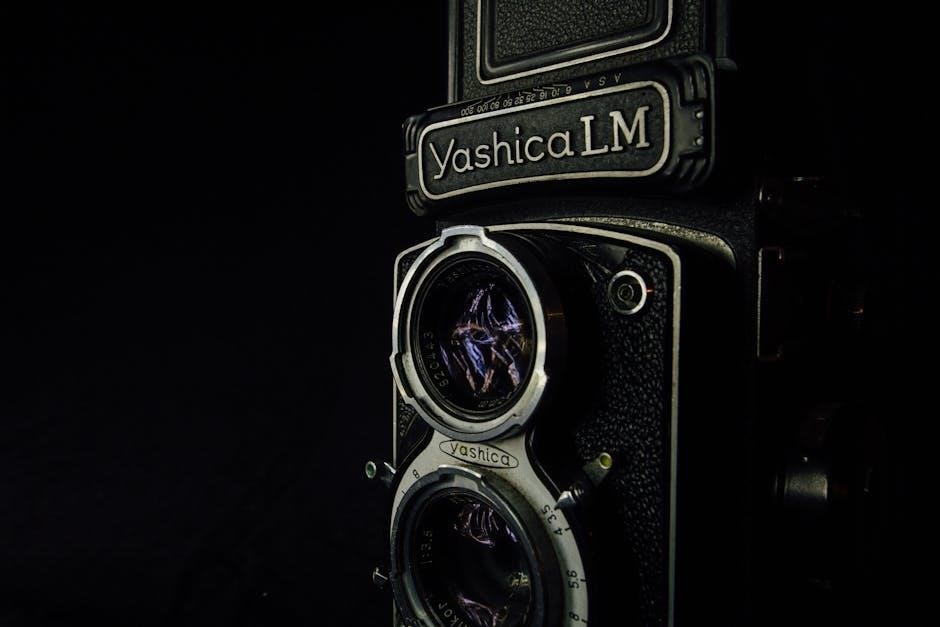
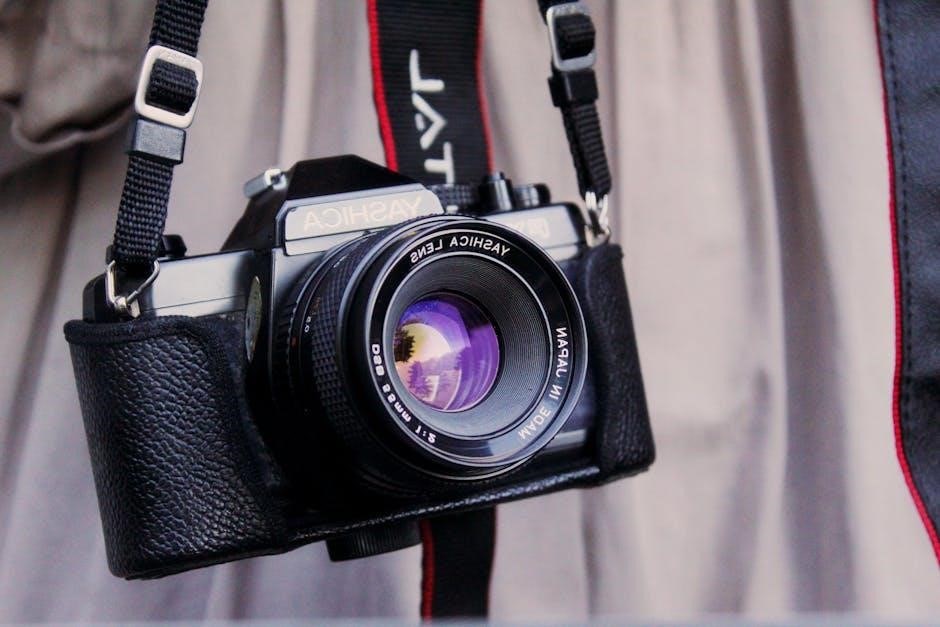
The Yashica 124G, a cornerstone of accessible medium format photography, offers a compelling entry point for enthusiasts. Often accompanied by readily available service manuals – downloadable as PDF files – it’s a camera celebrated for its build quality and relatively straightforward operation. This guide aims to demystify its features, providing a comprehensive resource for both beginners and experienced photographers alike.
Understanding the camera’s mechanics is aided by resources detailing repair procedures, particularly for models like the Yashica Electro rangefinders. Modern conveniences, such as Morrisons’ online shopping and click-and-collect services, mirror the 124G’s appeal: reliable and accessible. Whether you’re navigating Windows 11 or seeking assistance with operating systems, the spirit of user-friendly design resonates with the Yashica 124G’s legacy. Explore its capabilities and unlock the potential of classic medium format imaging.
Historical Context of the Yashica 124G
Emerging in the 1970s, the Yashica 124G arrived during a golden age for Twin Lens Reflex (TLR) cameras. Yashica, already known for its Electro rangefinders (supported by detailed repair manuals available online), sought to offer a more affordable medium format option. This period also saw the rise of convenient services like Morrisons’ online shopping, reflecting a broader trend towards accessibility.
The 124G wasn’t a revolutionary design, but a refinement of existing TLR principles. Its popularity stemmed from its robust construction and relatively simple operation, making it ideal for amateur and semi-professional photographers. Simultaneously, the development of operating systems like Windows 11 showcased a parallel pursuit of user-friendliness. The availability of service documentation, mirroring modern software support, ensured the 124G’s longevity. It represents a pivotal moment in photographic history, bridging classic design with practical usability.
Key Features and Specifications
The Yashica 124G boasts a fixed 80mm f/2.8 Yashinon lens, renowned for its sharpness and pleasing bokeh. It utilizes a Copal leaf shutter, offering speeds from 1 second to 1/500th of a second, plus Bulb mode. Focusing is achieved via a helical mount, viewed through a waist-level finder. The camera accepts standard 120 film, yielding 12 exposures in the 6×6 format.
Crucially, the 124G features a built-in CdS light meter, coupled to the shutter speed dial for exposure guidance – though accuracy should be verified. Its robust build quality ensures durability, and readily available service manuals aid maintenance. Like modern systems such as Windows 11, it prioritizes user interaction. Dimensions are approximately 165 x 98 x 185mm, with a weight around 820g. Accessories, like filters, enhance its versatility, mirroring the expandability of contemporary devices.

Understanding the Camera Mechanics
Explore the intricate workings of the Yashica 124G, from film loading to shutter precision, and focusing systems – essential for mastering medium format photography.
Film Loading and Advance System
The Yashica 124G utilizes a straightforward, yet precise, film loading process. Begin by opening the back of the camera, typically with a latch or knob. Carefully insert your 120 film spool into the film chamber, ensuring it seats correctly. Thread the film leader onto the take-up spool.
Advance the film using the dedicated film advance knob on the right side of the camera. Each turn advances the film, and a counter displays the number of exposures taken. It’s crucial to advance past the first few frames, as they are often exposed during loading. The 124G features automatic resetting film counter, simplifying the process.
Pay attention to the red window on the back of the camera, which allows you to visually confirm film advance. Consistent, smooth advancement is key to avoiding overlapping or skipped frames. Remember to rewind the film completely before opening the camera back after shooting.
Shutter Operation and Speed Control
The Yashica 124G employs a leaf shutter system, known for its quiet operation and versatility. Shutter speeds are controlled via a dial surrounding the taking lens. This dial offers a range of speeds, typically from 1 second to 1/500th of a second, plus a bulb (B) setting for long exposures.
The shutter is cocked automatically during film advance. A gentle press of the shutter release button, located on the front of the camera, activates the shutter. The synchronized flash capability ensures proper illumination when using a flash unit.
Understanding the relationship between shutter speed and aperture is crucial for achieving correct exposure. Faster shutter speeds freeze motion, while slower speeds allow more light in. The ‘B’ setting keeps the shutter open as long as the release button is pressed, ideal for astrophotography or light painting.
Focusing Mechanism and Viewing System
The Yashica 124G utilizes a twin-lens reflex (TLR) system, offering a unique viewing and focusing experience. The upper lens is dedicated to viewing, projecting a bright, clear image onto a ground glass screen inside the camera. Focusing is achieved by rotating the focusing knob located on the camera’s side, observing the image sharpness on the viewing screen.
Parallax error, a common issue in TLRs, becomes noticeable at closer focusing distances. Correction markings are provided in the viewing screen to compensate for this. The viewing image is laterally reversed, requiring mental adjustment when composing shots.
The direct viewing system allows for precise composition and focusing, eliminating viewfinder inaccuracies. This system, combined with the ground glass screen, provides a true representation of the final image, aiding in creative control and ensuring sharp results.
Using the Yashica 124G Effectively
Mastering exposure and depth of field unlocks the Yashica 124G’s potential. Utilize the metering system, explore compensation techniques, and understand how to achieve desired focus.
Metering System Explained
The Yashica 124G employs a CdS (Cadmium Sulfide) light meter, integrated into the camera’s body. This meter reads light reflected from the scene, assisting in determining correct exposure settings. It’s crucial to understand that this is an averaging meter, meaning it calculates exposure based on the overall brightness of the scene, not specific areas.
The meter reading is displayed within the viewfinder as a needle indicator. This needle aligns with a series of markings representing different shutter speeds and aperture combinations. When the needle centers, proper exposure is indicated. However, remember the meter responds to the overall scene brightness; strongly backlit or very bright scenes may require exposure compensation.
Battery power is essential for the meter to function correctly. A weak battery will lead to inaccurate readings; Regularly check the battery and replace it as needed. Understanding the limitations of an averaging meter and the importance of a functioning battery are key to consistently achieving well-exposed photographs with your Yashica 124G.
Exposure Compensation Techniques
Given the Yashica 124G’s averaging meter, exposure compensation is frequently necessary for optimal results. High-contrast scenes – those with very bright and very dark areas – often fool the meter into underexposing. To counteract this, increase exposure by using a slower shutter speed or wider aperture. Conversely, predominantly bright scenes (like snow or beach) can cause overexposure; decrease exposure.
A simple technique is the “Sunny 16” rule as a starting point, then adjust based on observation. Pay attention to the viewfinder’s needle; if it consistently points towards the underexposure side in bright conditions, or overexposure in dark conditions, compensation is needed.
Practice and reviewing your results are vital. Keep notes on your adjustments and the resulting images. Remember, the CdS meter relies on battery power; a weak battery impacts accuracy, making compensation even more critical. Mastering these techniques unlocks the full potential of your Yashica 124G.
Depth of Field Control

The Yashica 124G’s depth of field is managed primarily through the f-stops on both the taking (bottom) and viewing lenses. Smaller f-numbers (like f/2.8) create a shallow depth of field, ideal for isolating subjects with blurred backgrounds. Larger f-numbers (like f/16) maximize depth of field, keeping more of the scene in focus – perfect for landscapes.
Understanding the relationship between aperture, focal length, and distance to the subject is key. The closer you are to your subject, the shallower the depth of field will be at a given aperture. Utilize the depth-of-field scale on the taking lens to visually estimate the in-focus range at different f-stops and distances.
Experimentation is crucial. Previewing depth of field through the viewing lens offers a rough approximation, but final results depend on focusing accuracy. Careful consideration of these factors will elevate your images.
Maintenance and Troubleshooting
Ensure longevity with careful cleaning and storage, referencing service manuals for repairs. Explore online forums for common issues and solutions, aiding Yashica Electro upkeep.
Cleaning and Storage Procedures
Preserving your Yashica 124G requires diligent care. Begin by gently dusting the camera body with a soft brush, removing loose particles from the lens and viewing screen. For lens cleaning, utilize a dedicated lens cloth and cleaning solution – avoid harsh chemicals. The focusing screen is delicate; use a blower to remove dust, and only clean with appropriate screen cleaner if absolutely necessary.
Proper storage is crucial. When not in use, store the camera in a cool, dry place, away from direct sunlight and extreme temperatures. A camera bag or case offers excellent protection. Remove the batteries to prevent corrosion. Periodically, exercise the shutter and focusing mechanisms to keep them functioning smoothly. Referencing the Yashica Mat 124G service manual can provide detailed guidance on disassembly for thorough cleaning, though this is best left to experienced technicians.
Remember to also consider the leatherette exterior; a slightly damp cloth can gently wipe away dirt, but avoid excessive moisture.
Common Issues and Solutions
Yashica 124G cameras, while robust, can exhibit certain issues. A common problem is a stiff shutter; often, gentle exercise and occasional lubrication (by a professional) can resolve this. Dim viewing screens can occur due to internal dust or deterioration – cleaning or replacement may be needed. Light leaks can arise from aging seals; resealing is a viable solution.
Metering inaccuracies are also possible. Check the battery and ensure proper film speed setting. If the film advance becomes difficult, inspect for obstructions or dried lubricant. The Yashica Mat 124G service manual is invaluable for diagnosing more complex problems, offering detailed schematics and repair instructions.
For electrical issues, particularly with the meter, consult a qualified repair technician. Attempting self-repair without proper knowledge can cause further damage. Remember resources for Yashica Electro repair may offer transferable knowledge.
Yashica 124G Service Manual Resources
Accessing the Yashica Mat 124G service manual is crucial for in-depth understanding and repair; Numerous online repositories offer downloadable PDF versions of the manual, providing detailed schematics, parts lists, and step-by-step repair instructions. These manuals are invaluable for tackling complex issues beyond basic maintenance.
Several websites host these resources, often available for free download or viewing. Searching specifically for “Yashica Mat 124G service manual PDF” yields numerous results. Be cautious when downloading from unfamiliar sources to avoid malware.
Furthermore, online communities and forums dedicated to vintage cameras frequently share links and discuss the manual’s contents. Resources for the Yashica Electro repair can sometimes offer helpful insights into similar mechanical principles. Utilizing these resources empowers owners to maintain and restore their Yashica 124G effectively.
Advanced Techniques and Considerations
Explore filters, adapt to varied lighting, and master film development for optimal results. Utilize service manuals alongside Windows 11 support for peak performance.
Using Filters with the Yashica 124G
Filters significantly expand the Yashica 124G’s creative potential. The front-mounted bayonet system accepts a variety of filters, enhancing image control. Yellow filters, for instance, boost contrast in landscapes, while red filters dramatically alter tonal relationships, ideal for black and white photography.
Polarizing filters reduce glare and reflections, deepening skies and saturating colors. Neutral Density (ND) filters allow for wider apertures in bright conditions, achieving shallow depth of field, or slower shutter speeds for motion blur.
Experimentation is key; consider graduated ND filters for balancing exposure in scenes with high dynamic range. Remember to consult Yashica service manuals for compatibility information and proper filter mounting techniques. Windows 11 support resources can aid in digital post-processing of filtered images, enhancing their impact. Proper filter selection, combined with understanding exposure, unlocks the full artistic capabilities of the 124G.
Adapting to Different Lighting Conditions
The Yashica 124G excels in varied lighting, but understanding its limitations is crucial. In bright sunlight, utilize slower shutter speeds and smaller apertures, compensating with the built-in meter. Overcast days demand increased exposure, potentially requiring a slight overexposure adjustment.
Low-light scenarios present challenges; a tripod is essential for maintaining sharpness at slower shutter speeds. Explore reciprocity failure – longer exposures may require additional compensation, detailed in Yashica repair manuals.
Consider filters like ND filters to manage intense light, or yellow filters to enhance contrast in dull conditions. Windows 11 photo editing software can refine images captured in challenging light. Morrisons’ online shopping convenience allows focusing on photography, rather than errands. Mastering exposure compensation and understanding the meter’s response are key to consistent results across diverse lighting environments.
Developing Film Shot with the Yashica 124G

Developing film from your Yashica 124G unlocks the full potential of its medium format images. Black and white film is generally more forgiving, allowing for experimentation with developers like D-76 or Rodinal. Color negative film requires precise temperature control and chemistry, such as C-41 kits readily available online.
Scanning your negatives is crucial for digital archiving and sharing. High-resolution scanners deliver superior results, though flatbed scanners offer a more affordable entry point. Yashica Electro repair guides emphasize careful handling, mirroring the care needed during development.
Resources like online forums provide invaluable advice on developing techniques; Consider exploring different development times and agitation methods to fine-tune your results. Windows 11 photo editing tools can further enhance your developed images, while Morrisons’ delivery services free up time for your photographic pursuits.

Comparing the Yashica 124G to Alternatives
Explore TLR options, considering features and cost. Windows 11 compatibility isn’t a factor, but repair manuals and online shopping impact accessibility and maintenance.
Yashica 124G vs. Other Twin Lens Reflex Cameras
The Yashica 124G frequently appears in comparisons with other Twin Lens Reflex (TLR) cameras, notably those from Rolleiflex and Mamiya. While Rolleiflex often represents the premium end of the TLR market – known for exceptional optics and build quality – the Yashica 124G offers a compelling balance of performance and affordability. Mamiya TLRs, like the Mamiya 6, present another alternative, sometimes offering features like interchangeable lenses.
However, the 124G distinguishes itself with its sharp Yashinon lenses, often lauded for their contrast and clarity. Access to service manuals and repair guides, readily available online, contributes to its enduring appeal. Considering modern conveniences, the relevance of Windows 11 or online shopping services like Morrisons is minimal when evaluating vintage cameras; the focus remains on optical and mechanical performance. The 124G’s robust construction and relatively simple mechanics make it a practical choice for both beginners and experienced photographers.
Advantages and Disadvantages of the Yashica 124G
The Yashica 124G boasts several advantages, primarily its excellent value for money. Delivering medium format image quality at a fraction of the cost of comparable TLRs like Rolleiflex, it’s a popular entry point. Readily available service manuals and repair resources, found online, simplify maintenance. The sharp Yashinon lenses consistently impress, offering pleasing contrast and detail. However, it isn’t without drawbacks.
Potential disadvantages include a somewhat dim viewing screen, which can make precise focusing challenging in low light. While robust, the camera’s construction isn’t as refined as higher-end models. Modern considerations, such as Windows 11 compatibility or online shopping convenience (like Morrisons’ services), are irrelevant to its core function. Ultimately, the 124G’s blend of affordability, image quality, and repairability makes it a compelling choice, despite minor limitations.
Resources and Further Learning
Explore online communities and forums for Yashica 124G support, alongside service manuals and repair guides. Discover Windows 11 help and Morrisons’ shopping options.
Online Communities and Forums
Engaging with fellow Yashica 124G enthusiasts online provides a wealth of knowledge and support. Numerous forums and communities are dedicated to medium format film photography, offering spaces to ask questions, share experiences, and troubleshoot issues. These platforms often host detailed discussions about camera maintenance, repair, and optimal shooting techniques specifically for the 124G.
Users frequently share scans of their Yashica 124G photographs, providing inspiration and demonstrating the camera’s capabilities. You can find valuable insights into film choices, developing processes, and adapting to various lighting conditions. Beyond camera-specific discussions, these communities often cover broader topics related to analog photography, including lens reviews and darkroom techniques. Resources like service manuals, often linked within these forums, can be invaluable for DIY repairs. Remember to also explore general photography forums where Yashica 124G users may be active, broadening your access to expertise.
Recommended Books and Articles
While dedicated publications solely focused on the Yashica 124G are scarce, several resources cover twin-lens reflex (TLR) photography and medium format techniques applicable to this camera. Books detailing the fundamentals of TLR operation, focusing on exposure, composition, and film development, are highly beneficial. Explore guides on understanding light meters and depth of field control, crucial for maximizing the 124G’s potential.
Online articles and blog posts often provide practical advice on using vintage cameras like the Yashica 124G. Search for articles discussing common issues and their solutions, alongside guides on cleaning and maintaining the camera. Resources explaining Windows 11 basics, though seemingly unrelated, highlight the importance of digital tools for managing and editing scanned film. Look for articles detailing film scanning techniques and post-processing workflows to enhance your images. Remember to cross-reference information and prioritize resources from reputable photography websites and experienced analog photographers.
Finding Yashica 124G Parts and Accessories
Sourcing parts for the Yashica 124G can require patience, as it’s a vintage camera. Online auction sites like eBay are primary sources for used components – lenses, focusing screens, light seals, and even complete cameras for parts. Specialized vintage camera stores, both online and brick-and-mortar, often stock Yashica parts or can source them. Be prepared to search internationally, as availability varies.
Accessories, such as lens hoods and filters, are generally easier to find. Standard filters with the appropriate thread size can be used. While a dedicated motor drive exists (YASHICA AUTO FOCUS MOTOR-D), finding one in working condition can be challenging. Remember to check compatibility before purchasing any parts. Resources discussing Windows 11 or Morrisons’ online shopping won’t directly aid parts acquisition, but demonstrate the broader digital landscape for research and purchasing. Thoroughly inspect any used parts before committing to a purchase.