Embark on a captivating self-guided walking tour through New Orleans’ Garden District, discovering stunning architecture, historic mansions, and the unique cultural charm of this iconic neighborhood.
Historical Overview of the Garden District
Initially developed in the 19th century, the Garden District arose as a response to the crowded conditions and yellow fever epidemics plaguing New Orleans’ French Quarter. Wealthy Americans, seeking a healthier and more spacious environment, began establishing grand residences beyond the city’s original boundaries. This led to the creation of a distinctly American neighborhood, contrasting with the Creole architecture of the French Quarter.
The area’s name originates from its original intention as a residential area featuring expansive gardens. Though many gardens have diminished over time, the architectural legacy remains remarkably preserved. The district’s development coincided with the rise of cotton wealth, reflected in the opulent mansions built during this period. Exploring the Garden District is, therefore, a journey through a pivotal era in New Orleans’ history and social evolution.
Architectural Styles: A Defining Feature
The Garden District showcases a remarkable blend of architectural styles, primarily Greek Revival, Italianate, and American Victorian. Greek Revival mansions, with their imposing columns and symmetrical facades, dominate the landscape, reflecting the aspirations of the early settlers. Italianate influences are visible in the bracketed porches and ornate detailing found on many homes.
Victorian architecture adds further diversity, with its intricate woodwork and asymmetrical designs. These styles were chosen not only for their aesthetic appeal but also for their suitability to the New Orleans climate, offering shade and ventilation. The architectural harmony, despite the variety, creates a visually stunning and cohesive neighborhood, making it a delight for any self-guided tour.

Planning Your Self-Guided Tour
Prepare for an immersive experience! Obtain a map, check the weather forecast, and wear comfortable shoes to fully enjoy this historic New Orleans neighborhood.
Obtaining a Garden District Walking Tour Map
Successfully navigating the Garden District relies on a good map! Fortunately, numerous resources offer printable or digital maps specifically designed for self-guided walking tours. Several websites provide free downloadable maps highlighting key landmarks like Lafayette Cemetery No. 1, the Briggs-Staub House, and Colonel Shorts Villa.
These maps often include suggested routes and points of interest, streamlining your exploration. Consider downloading a map to your smartphone for easy access during your tour. Alternatively, visitor centers in New Orleans frequently offer physical maps. Don’t hesitate to ask for recommendations on the best routes based on your interests and available time. A well-chosen map is your key to unlocking the Garden District’s hidden treasures!
Best Time to Visit for Optimal Weather
Planning your Garden District tour around the weather is crucial for a comfortable experience. The shoulder seasons – spring (March-May) and fall (September-November) – offer the most pleasant conditions. Temperatures are milder, humidity is lower, and rainfall is less frequent compared to the hot, humid summers.
Avoid visiting during the peak summer months (June-August) when the heat and humidity can be oppressive, making extended walking uncomfortable. Winter (December-February) is generally mild, but occasional cold snaps can occur. Checking the forecast before your visit is always recommended. Enjoy strolling amongst the mansions with a gentle breeze and sunshine!
What to Wear: Comfort and Style
Prioritize comfortable footwear for your Garden District walking tour; you’ll be covering a significant amount of ground! Opt for well-broken-in walking shoes or sneakers. Lightweight, breathable clothing is ideal, especially during warmer months. Consider layers, as indoor spaces like shops may be air-conditioned.
A hat and sunglasses are recommended for sun protection. While the Garden District exudes a sophisticated vibe, practicality is key. Don’t hesitate to embrace a casual-chic style. A comfortable dress, shorts, or lightweight pants paired with a stylish top will allow you to explore in ease and elegance.

Key Landmarks & Mansions
Discover iconic landmarks like Lafayette Cemetery No. 1, the Briggs-Staub House, and Colonel Shorts Villa, showcasing the Garden District’s architectural grandeur and rich history.
Lafayette Cemetery No. 1: A Must-See
Lafayette Cemetery No. 1, established in 1833, is an absolutely essential stop on any Garden District exploration. This historic city of the dead presents a fascinating glimpse into New Orleans’ unique burial traditions and societal history.
Unlike ground burials, above-ground tombs are prevalent due to the city’s high water table. Wander amongst the elaborate family vaults, observing the varied architectural styles and poignant inscriptions.
The cemetery has served as a filming location for numerous movies and television shows, adding to its allure. Please remember to be respectful of this sacred space and adhere to any posted guidelines during your visit.
The Briggs-Staub House: Antebellum Splendor
The Briggs-Staub House, a magnificent example of antebellum architecture, stands as a testament to the Garden District’s opulent past. Completed in 1857, this Greek Revival mansion showcases impressive columns, intricate ironwork, and a grand facade that evokes a bygone era.
Originally built for the Briggs family, the house later became associated with the Staub family, adding layers to its rich history. Admire the detailed craftsmanship and imagine life within its walls during the 19th century.
Its presence embodies the elegance and prosperity that characterized the Garden District’s development, making it a captivating landmark on your self-guided tour.
Colonel Shorts Villa: Unique Architectural Details
Colonel Shorts Villa, a striking residence in the Garden District, immediately captivates with its distinctive architectural features. This mansion blends Italianate and Greek Revival styles, creating a visually arresting facade unlike many others in the area.
Pay close attention to the elaborate cast-iron gallery, a hallmark of New Orleans architecture, and the intricate detailing around the windows and roofline. The villa’s asymmetrical design and ornate embellishments showcase a playful departure from traditional symmetry.
It’s a prime example of the architectural diversity found within the Garden District, offering a unique stop on your self-guided exploration.
The Opera Guild Home: History and Elegance
The Opera Guild Home stands as a testament to the Garden District’s rich cultural past and enduring elegance. Originally built in the 1850s, this magnificent mansion has a fascinating history, having served as a residence for prominent figures in New Orleans society and, later, as the headquarters for the New Orleans Opera Association.
Admire the home’s classic Greek Revival architecture, characterized by its imposing columns and symmetrical facade. The beautifully maintained gardens add to the property’s overall charm and grandeur.
It’s a must-see on any self-guided tour, offering a glimpse into a bygone era of artistic patronage and refined living.
Adams-Jones House: Notable Residence
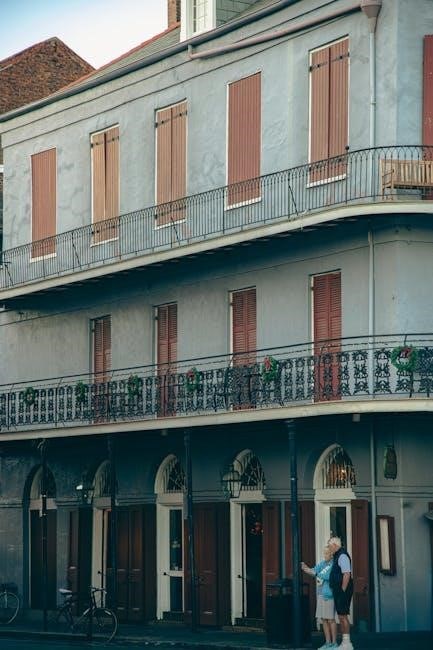
The Adams-Jones House, a striking example of Italianate architecture, is a prominent landmark on a self-guided walking tour of the Garden District. Completed in 1858, this residence boasts intricate detailing, including elaborate cast-iron balconies and a beautifully ornamented cornice.
Throughout its history, the house has been home to several notable New Orleans families, contributing to its significance within the community. Its well-preserved facade and elegant design offer a captivating glimpse into the opulent lifestyle of the 19th century.
Don’t miss the opportunity to admire this architectural gem!

Exploring Magazine Street
Venture along Magazine Street, brimming with unique shops, delightful boutiques, and diverse dining options, enhancing your Garden District self-guided walking tour experience.
Shops and Boutiques Along Magazine Street
Magazine Street presents a delightful shopping experience, diverging from typical tourist fare. Prepare to discover an eclectic mix of locally-owned boutiques, antique shops, and art galleries. You’ll find everything from vintage clothing and unique jewelry to handcrafted gifts and home décor.
Browse the carefully curated collections at independent bookstores, or explore shops specializing in Louisiana-made products. Don’t miss the opportunity to support local artisans and find one-of-a-kind treasures; The street’s length offers diverse options, ensuring something to appeal to every taste and budget, making it a perfect complement to your Garden District exploration.
Dining Options: Local Cuisine
The Garden District and neighboring Magazine Street boast a vibrant culinary scene, offering a taste of authentic New Orleans flavors. From casual cafes to upscale restaurants, there’s a dining option for every palate; Savor classic Creole and Cajun dishes, including gumbo, jambalaya, and po’boys, prepared with fresh, local ingredients.
Explore charming bistros serving brunch, lunch, and dinner, or indulge in sweet treats at local bakeries. Many establishments feature outdoor seating, perfect for people-watching. Don’t forget to sample the local craft beers and cocktails, completing your immersive New Orleans dining experience alongside your walking tour.
Street Tiles on Magazine Street: Artistic Details
As you stroll along Magazine Street during your self-guided tour, take a moment to appreciate the intricate street tiles embedded in the sidewalks. These aren’t merely functional; they’re a unique artistic element reflecting New Orleans’ rich history and design sensibilities. Look closely to discover a variety of patterns and colors, adding a subtle charm to the shopping district.
These decorative tiles contribute to the street’s overall aesthetic, offering a delightful detail for observant walkers. They represent a small but significant aspect of the city’s commitment to beauty and craftsmanship, enhancing the experience of exploring this vibrant neighborhood.

Hidden Gems & Lesser-Known Spots
Venture beyond the main attractions to uncover the Garden District’s secret treasures: unique mansions, quiet parks, and intriguing filming locations awaiting discovery.
Buckner Mansion: A Filming Location
The Buckner Mansion, a striking example of Greek Revival architecture, holds a special allure for film enthusiasts. This magnificent residence gained prominence as a featured location in the popular television series, “American Horror Story: Coven.” Its imposing facade and richly detailed interiors provided a suitably dramatic backdrop for the show’s supernatural storylines, instantly recognizable to fans.
Beyond its television fame, the Buckner Mansion embodies the grandeur and history characteristic of the Garden District. While admiring its exterior, imagine the scenes brought to life within its walls. It’s a fantastic spot for a photo opportunity, blending architectural appreciation with a touch of Hollywood glamour. Remember to be respectful of the private property while enjoying this iconic landmark.
The Brevard-Rice House: Italianate Influence
The Brevard-Rice House stands as a beautiful illustration of Italianate architectural style within the Garden District. Constructed in 1857, this residence showcases distinctive features like its bracketed cornice, tall arched windows, and a classically inspired portico. These elements contribute to its elegant and symmetrical facade, setting it apart from other architectural styles prevalent in the area.
Observe the intricate detailing and the overall sense of refined sophistication that defines this historic home. The Italianate style, popular in the mid-19th century, reflects a desire for European elegance. Taking time to appreciate the Brevard-Rice House offers a glimpse into the diverse architectural landscape of New Orleans and the Garden District’s rich history.
Local Parks and Green Spaces
Beyond the magnificent mansions, the Garden District offers tranquil pockets of green space perfect for a respite during your self-guided tour. These parks provide a charming contrast to the grand architecture and a glimpse into the neighborhood’s relaxed atmosphere. Consider a pause at Lafayette Square, a vibrant hub often hosting events and offering a peaceful setting.
Smaller, more intimate parks are scattered throughout the district, providing quiet spots for reflection. These green spaces are ideal for observing local life and appreciating the lush landscaping that contributes to the Garden District’s namesake beauty. Enjoy a moment of serenity amidst your exploration!

Garden District Culture & Traditions
Experience the unique “Lagniappe” tradition of New Orleans, a little something extra, while exploring the Garden District’s rich history and vibrant community spirit.
The “Lagniappe” Tradition of New Orleans
The Garden District, deeply rooted in New Orleans culture, embodies the spirit of “Lagniappe” – a Creole word meaning “a little something extra.” This tradition isn’t about monetary value; it’s a gesture of generosity and hospitality woven into the fabric of daily life.
As you wander through the neighborhood on your self-guided tour, observe how this manifests. It could be a friendly greeting from a local, an unexpected story shared about a historic home, or simply the feeling of warmth and welcome that permeates the area.
Lagniappe represents a willingness to go above and beyond, to offer a bit more than expected, enriching your experience beyond the beautiful architecture and historical landmarks. Embrace this spirit during your exploration!
Celebrity Homes and Notable Residents
The Garden District has long attracted prominent figures, adding another layer of intrigue to its already captivating streets. While respecting the privacy of current residents, your self-guided walking tour may pass homes once owned – or currently inhabited – by celebrities and influential individuals.
Sandra Bullock, John Goodman, and Anne Rice are among the well-known names associated with the area. Discovering these connections adds a touch of glamour to your exploration, imagining the lives lived within these magnificent walls.
Remember to admire from a respectful distance, focusing on the architectural beauty rather than intruding on private property. The stories of these residents contribute to the Garden District’s unique character.

Practical Tips for Your Tour
Plan your visit with attention to transportation, safety, and respecting the privacy of residents for a smooth and enjoyable Garden District experience.
Transportation to and from the Garden District
Reaching the Garden District is relatively straightforward, offering several convenient transportation options for visitors embarking on a self-guided walking tour. The St. Charles Avenue streetcar line provides a scenic and affordable route directly through the heart of the district, allowing easy access to many key landmarks. Several bus lines also service the area, connecting it to other parts of New Orleans.
For those driving, parking can be challenging, particularly during peak hours; consider utilizing ride-sharing services or parking garages outside the immediate area. Walking is, of course, the best way to explore the district itself, allowing you to fully appreciate the architectural details and charming atmosphere. Remember to plan your return journey in advance, especially if relying on public transportation, to ensure a safe and stress-free experience.
Safety Considerations While Walking
While the Garden District is generally a safe area, it’s essential to remain aware of your surroundings during your self-guided walking tour. Be mindful of traffic, particularly when crossing streets, and utilize crosswalks whenever possible. Keep valuables secure and avoid displaying expensive jewelry or electronics.
Stay hydrated, especially during warmer months, and wear comfortable shoes suitable for extended walking. It’s advisable to walk with a companion, particularly after dark. Be respectful of private property and avoid trespassing. Report any suspicious activity to local authorities. Familiarize yourself with the area beforehand and share your itinerary with someone. Prioritizing these simple precautions will help ensure a pleasant and secure exploration of this beautiful neighborhood.
Respecting Private Property
The Garden District is a residential neighborhood, and respecting the privacy of homeowners is paramount during your self-guided walking tour. Please refrain from entering private yards or peering into windows. Admire the architecture and gardens from the public sidewalk only. Avoid blocking driveways or walkways with your group.
Remember that many of these magnificent homes are still occupied, and residents appreciate maintaining their peace and quiet. Keep noise levels to a minimum and avoid disruptive behavior. Do not touch or disturb any property, including gates, fences, or landscaping. By demonstrating courtesy and consideration, you contribute to preserving the charm and tranquility of this historic district for everyone to enjoy.

Resources for Further Exploration
Enhance your Garden District experience with audio tours, detailed books, and informative websites offering deeper insights into its history and architectural beauty.
Audio Tour Options
For a more immersive experience, consider utilizing readily available audio tours that guide you through the Garden District’s highlights. Several companies offer professionally narrated tours accessible via smartphone apps, providing detailed historical context and architectural insights as you stroll. These tours often include stops at Lafayette Cemetery No. 1, the magnificent mansions along First Street, and other key landmarks.
Many options allow you to explore at your own pace, pausing to admire the scenery or delve deeper into specific stories. Some tours even incorporate music and sound effects to enhance the atmosphere. Exploring via audio tour is a fantastic way to learn about celebrity homes and the filming locations scattered throughout the district, enriching your self-guided adventure.
Books and Websites About the Garden District
To deepen your understanding of the Garden District’s rich history and architectural splendor, numerous resources are available both in print and online. Several books detail the neighborhood’s evolution, focusing on its prominent families, unique building styles, and cultural traditions. Websites dedicated to New Orleans history and architecture often feature dedicated sections on the Garden District, offering virtual tours and detailed information about specific landmarks.
Exploring these resources before or during your self-guided tour can significantly enhance your experience, providing valuable context and uncovering hidden stories. Look for publications focusing on the “Lagniappe” tradition and the district’s role in film and literature for a truly comprehensive understanding.