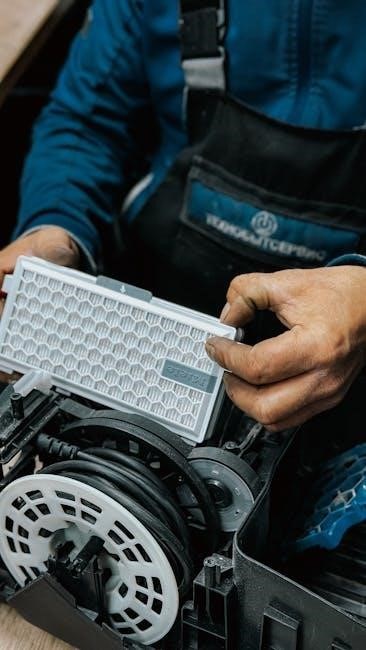
Onan 5500 Generator Troubleshooting Manual: An Overview
This manual provides a comprehensive guide to diagnosing and resolving common issues with the Onan 5500 generator, drawing from community insights and expert advice․
It covers everything from basic checks like fuel and oil levels, to more advanced electrical and fuel system troubleshooting steps, including diagnostic code interpretation․
Resources like online forums (Escapees, Good Sam, Heartland Owners) and Reddit’s r/GoRVing are also highlighted, offering peer support and solutions for Onan generator owners․
Understanding the Onan 5500 Generator
The Onan 5500 generator, particularly the Marquis Gold series, is a popular choice for recreational vehicles (RVs) due to its reliable power output and relatively compact size․ However, like any mechanical system, it can experience issues requiring troubleshooting․ A key component to grasp is the generator’s reliance on a robust electrical system, starting with a 12V DC mini-circuit breaker, which, if tripped, can prevent the generator from receiving power․
Understanding the function of the field volts (typically 28-35 VDC) is crucial, as a lack of sufficient voltage indicates a potential problem with the regulator․ The engine’s ability to prime and maintain fuel flow is also vital; a failing fuel pump can manifest as difficulty starting or stalling․ Furthermore, diagnostic codes, such as the flashing code 3 indicating a stall, provide valuable clues for pinpointing the root cause of the problem․ Knowing these fundamentals will significantly aid in effective troubleshooting․
Safety Precautions Before Troubleshooting
Before attempting any troubleshooting on your Onan 5500 generator, prioritize safety․ Disconnect the RV’s shore power connection to prevent electrical hazards․ Ensure the generator is cool to the touch before handling any components, as exhaust and engine parts can reach extremely high temperatures․
Always disconnect the negative terminal of the RV’s house battery to isolate the electrical system during testing․ When working with the fuel system, avoid open flames and ensure adequate ventilation to prevent fire or explosion․ Be cautious when temporarily grounding P1-5 for testing, as this bypasses safety features․ Never work on a generator while it is running․ If you are uncomfortable with any aspect of the troubleshooting process, consult a qualified RV technician․
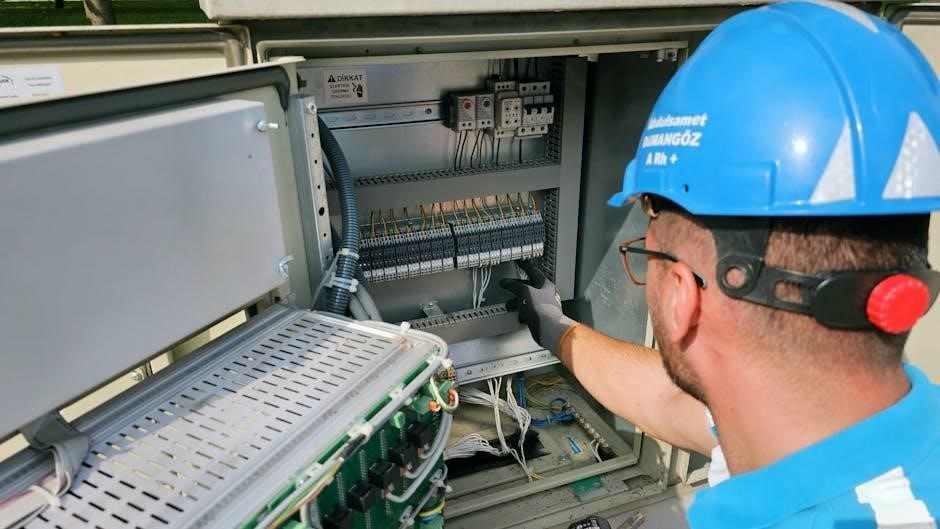
Common Onan 5500 Generator Problems
Frequently reported issues include a “clank” sound during startup, immediate stalling (often indicated by Code 3), and the generator running briefly before stopping․
Generator Won’t Start: The “Clank” Sound
A common symptom reported by Onan 5500 generator owners is a distinct “clank” sound when attempting to start the unit․ This often indicates that the generator receives initial power, but fails to fully engage and turn over the engine․ It’s frequently described as if the flywheel isn’t spinning․
A primary area to investigate is the 12V DC mini-circuit breaker․ If tripped, it can prevent the generator from receiving adequate power, leading to this issue and potentially draining the battery․ Locate the row of small breakers near the battery, connected by a copper buss bar, and check for a tripped breaker․
Ensure the battery itself is fully charged and in good condition․ A weak or discharged battery may not provide sufficient power to engage the starter․ Further diagnosis may require checking the solenoid and starter motor for proper function․
Generator Starts and Stalls Immediately (Code 3)
If your Onan 5500 generator starts briefly then stalls, accompanied by a flashing diagnostic code 3, the initial focus should be on the fuel system․ This code specifically points towards a potential fuel delivery problem preventing sustained operation․
Begin by verifying both the oil and fuel levels․ While seemingly basic, insufficient levels can trigger a shutdown․ Next, disconnect the fuel line at the bottom of the carburetor and attempt to prime the engine․
If no fuel is present during priming, a faulty fuel pump is highly suspected․ This prevents the carburetor from receiving the necessary fuel to keep the generator running․ Replacing the fuel pump is often the solution․ Remember to consult the generator’s service manual for specific fuel pump replacement procedures․
Generator Runs for a Short Time Then Stops
Experiencing an Onan 5500 generator that runs for a limited duration before shutting down, particularly with the cover installed and latched, suggests a potential overheating or electrical issue․ This intermittent operation can be frustrating to diagnose, but several areas warrant investigation․
First, ensure adequate ventilation around the generator․ Restricted airflow can lead to overheating and automatic shutdown․ Inspect the generator’s cooling fan for obstructions or damage․
Secondly, examine the 12V DC mini-circuit breaker․ A tripped breaker can interrupt power supply, causing the generator to stop after a short run time․ A discharged battery, due to a tripped breaker, could also be the root cause․ Finally, check for loose connections or corroded wiring within the electrical system․

Troubleshooting Steps: Electrical System
Begin by inspecting the 12V DC mini-circuit breaker for trips, and then verify field volts are within the 28-35 VDC range for proper operation․
Checking the 12V DC Mini-Circuit Breaker
A frequently encountered issue with the Onan 5500 generator is a tripped 12V DC mini-circuit breaker․ This small breaker, often located near the battery and connected to a copper buss bar, protects the generator’s electrical system․ If tripped, the generator won’t receive power, preventing it from starting․ Visually inspect the breaker; a tripped breaker will typically have its switch in a different position than the others․
To reset, simply flip the breaker switch to the “off” position and then back to “on”․ However, a repeatedly tripping breaker indicates a potential short circuit or excessive current draw; If the breaker trips immediately after resetting, do not continue attempting to start the generator․ Instead, investigate for wiring issues, a faulty starter solenoid, or a problem within the generator itself․ A discharged battery can also seem like a breaker issue, so ensure the battery is fully charged before proceeding․
Remember, a consistently tripping breaker is a warning sign that requires further investigation to prevent damage․
Verifying Field Volts (28-35 VDC)
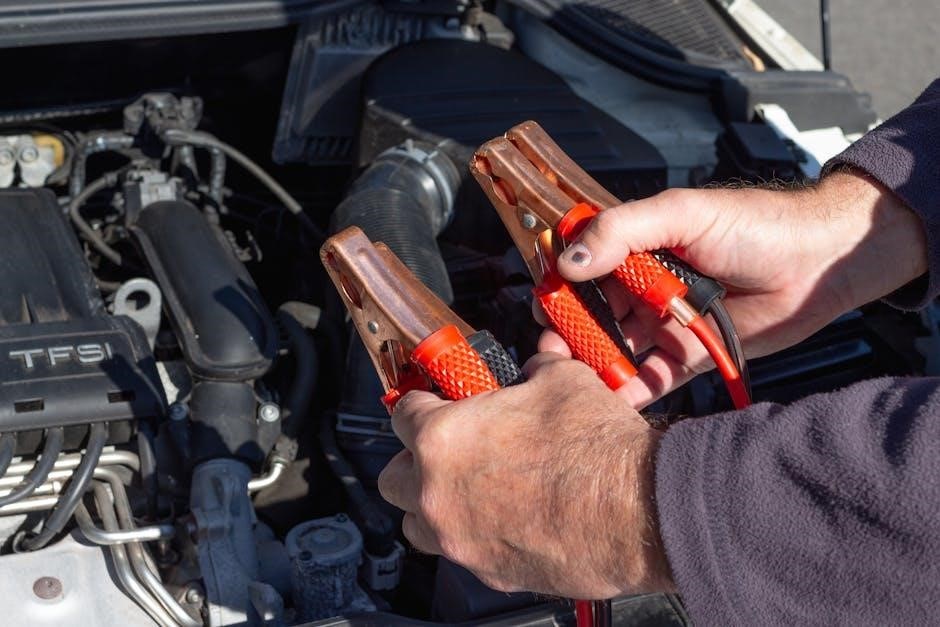
Checking the field volts is a crucial step in diagnosing Onan 5500 generator issues, particularly when experiencing starting or running problems․ The field volts, typically ranging between 28 and 35 VDC, indicate that the voltage regulator is functioning correctly and supplying adequate power to the generator’s field windings․ A lack of sufficient field voltage will prevent the generator from producing electricity․
To verify field volts, use a multimeter set to DC voltage․ Locate the field voltage test point (refer to your generator’s wiring diagram)․ With the generator running (or attempting to start), measure the voltage at this point․ If the reading is below 28 VDC, the voltage regulator or the generator itself may be faulty․
Low field volts can also indicate wiring issues or a poor connection․ Further investigation of the regulator and generator is necessary if the voltage is outside the specified range․ Ensure the FIELD VOLTS indicator is illuminated during operation․
Temporary Grounding of P1-5 for Testing
Temporarily grounding the P1-5 terminal on an Onan 5500 generator is a valuable diagnostic technique used to bypass certain safety features and assess engine functionality․ This procedure is particularly helpful when troubleshooting starting or stalling issues, allowing you to determine if the problem lies within the engine control system or elsewhere․ However, it’s crucial to understand this is a testing procedure only․
Locate the P1-5 terminal on the generator’s control board․ Using a jumper wire, briefly ground this terminal to the generator’s frame․ If the generator continues to run with P1-5 grounded, it suggests a problem with the engine’s safety shutdown system, such as a low oil sensor or overspeed protection․
Do not operate the generator for extended periods with P1-5 grounded, as this disables critical safety features․ This test helps isolate the issue, guiding further troubleshooting efforts․

Troubleshooting Steps: Fuel System
Addressing fuel delivery is vital; check oil and fuel levels first․ Prime the fuel line at the carburetor to verify the fuel pump’s functionality and operation․
Checking Oil and Fuel Levels
Before diving into complex troubleshooting, always begin with the simplest checks: oil and fuel levels․ Insufficient oil or fuel are frequently the culprits behind a generator that won’t start or stalls unexpectedly․ Ensure the oil level is within the recommended range on the dipstick, adding oil as needed to reach the ‘full’ mark․
Next, verify the fuel level in the tank․ While seemingly obvious, a low fuel level can easily be overlooked․ If the fuel level appears adequate, inspect the fuel for contamination, such as water or debris, which can impede fuel flow․ A clogged fuel filter can also cause starting or running issues․ Remember that a flashing code 3 often points to low oil or fuel as the initial problem, making these checks paramount․
Proper fluid levels are crucial for safe and efficient operation, and addressing these basic needs can often resolve the issue quickly and easily․
Fuel Pump Test: Fuel Line Priming
If the generator starts and stalls immediately, or won’t start at all, a faulty fuel pump is a likely suspect․ A simple test involves priming the fuel line to check for fuel delivery․ Locate the fuel line leading to the carburetor and carefully disconnect it․ Have a container ready to catch any spilled fuel․
With the fuel line disconnected, attempt to start the generator briefly․ You should observe a steady stream of fuel being pumped from the line․ If no fuel is present, or the flow is weak and intermittent, the fuel pump is likely defective and requires replacement․ This test confirms whether the pump is actively delivering fuel to the carburetor․
Remember to reconnect the fuel line securely after testing, and always exercise caution when working with fuel systems․ This priming method is a quick diagnostic step, often suggested in online forums like Reddit’s r/GoRVing․
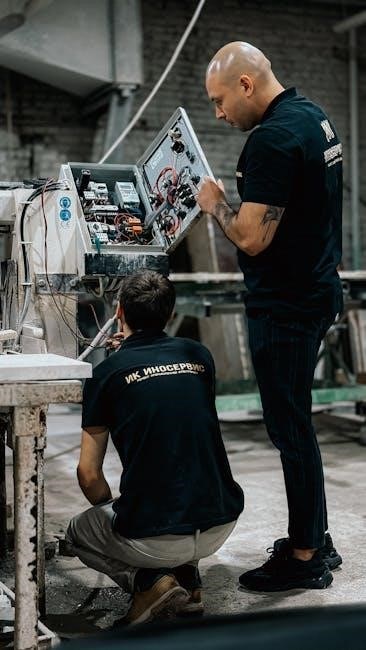
Troubleshooting Steps: Generator & Regulator
Inspect the generator and regulator for any visible damage or loose connections․ Verify the regulator is producing 28-35 VDC field volts for proper operation․
Inspecting the Generator
Begin by visually inspecting the Onan 5500 generator for any obvious signs of damage․ Look closely at the windings for burnt or frayed wires, which could indicate a short circuit or overheating․ Check the diode trios for any signs of blistering or cracking, as these are crucial for converting AC to DC power․
Carefully examine the brush assembly, ensuring the brushes have sufficient length and move freely within their holders․ Worn brushes can cause intermittent power output or a complete failure to generate electricity․ Also, inspect the slip rings for cleanliness and smoothness; carbon buildup can hinder electrical contact․
Use a multimeter to test the continuity of the stator windings․ An open circuit indicates a failed winding, requiring replacement․ Finally, verify the air gap between the rotor and stator is consistent; an uneven gap can lead to vibration and reduced efficiency․ A thorough inspection is vital for accurate diagnosis․
Inspecting the Regulator
The Onan 5500 generator’s regulator is a critical component, so careful inspection is essential․ Begin by visually checking for any burnt components or loose connections on the regulator board․ Pay close attention to the voltage regulator module itself, looking for signs of overheating or physical damage․
Using a multimeter, verify the field volts are within the specified range of 28-35 VDC․ Insufficient field voltage indicates a problem with the regulator’s ability to energize the generator’s field windings․ Also, check the stator voltage output while the generator is running; inconsistent voltage suggests a regulator malfunction․
Inspect the regulator’s wiring harness for any frayed wires or corroded connectors․ Poor connections can disrupt the regulator’s operation․ If possible, temporarily swap the regulator with a known good unit to isolate the issue․ A faulty regulator often causes unstable voltage or a complete lack of power output․

Advanced Troubleshooting
Delving deeper requires understanding diagnostic codes and performing reset procedures for Onan HGJAA and HGJAD series generators, utilizing specialized tools and knowledge․
This section empowers users to tackle complex issues beyond basic repairs, ensuring optimal generator performance and longevity․
Understanding Diagnostic Codes
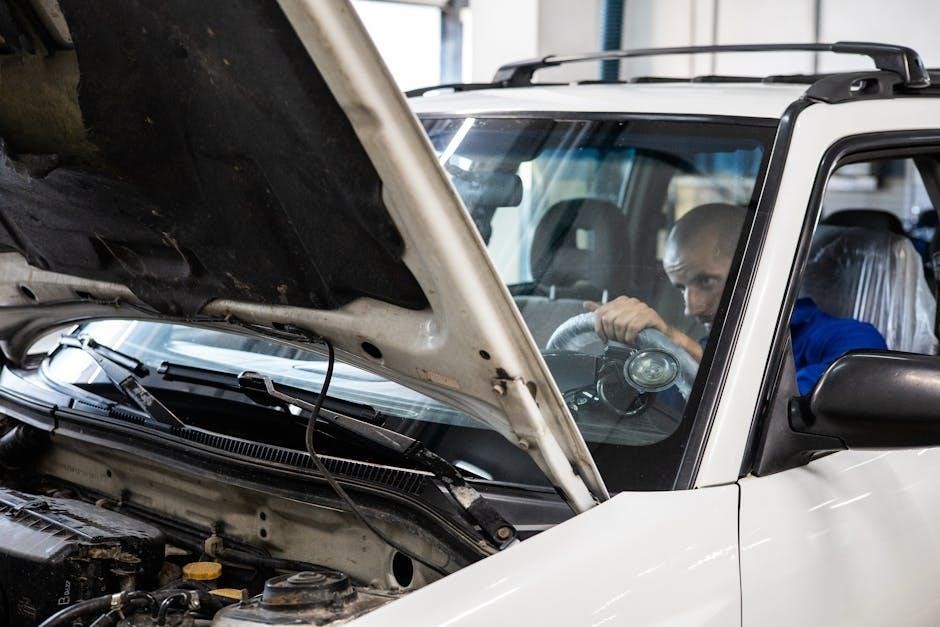
Onan 5500 generators utilize a diagnostic code system to pinpoint the source of malfunctions, simplifying the troubleshooting process․ A flashing diagnostic light indicates an issue, with the flash pattern representing a specific code․ For instance, a code 3 flash signifies a problem with the engine starting or stalling immediately after ignition, often related to low oil or fuel delivery․
Interpreting these codes is crucial for effective repair; resources like online forums and the official Onan documentation provide detailed code explanations․ Recognizing the code allows you to focus your efforts on the relevant system – electrical, fuel, or generator itself – saving time and preventing unnecessary component replacement․
Remember to consult the generator’s specific manual for the complete list of codes and their corresponding meanings, as codes can vary slightly between different Onan models․ Accurate code identification is the first step towards a successful resolution․
Reset Procedure for Onan HGJAA and HGJAD Series
For Onan HGJAA and HGJAD series generators, a reset procedure can often resolve minor glitches and clear diagnostic codes․ This process typically involves disconnecting the negative battery cable for a specified duration – generally around 30 seconds to a minute – to fully discharge the system․
After reconnection, it’s essential to allow the generator’s control module to recalibrate․ Attempting to start the generator immediately may not yield results․ A key step involves verifying the oil level and ensuring sufficient fuel before initiating the restart sequence․
This reset doesn’t address underlying mechanical issues but can be effective for temporary errors․ If the problem persists after the reset, further troubleshooting is necessary, utilizing diagnostic codes and system checks as outlined in this manual․
Maintenance & Prevention
Regular oil changes and diligent fuel system maintenance are crucial for preventing Onan 5500 generator issues, ensuring reliable power and extending its lifespan significantly․
Regular Oil Changes
Consistent oil changes are paramount for maintaining the health of your Onan 5500 generator․ Oil degrades over time, losing its lubricating properties and accumulating contaminants that can cause significant engine wear․
Follow the manufacturer’s recommended oil change intervals, typically every 50-100 hours of operation, or at least annually, even with minimal use․ Use the correct oil type and viscosity specified in your Onan generator’s manual – typically a high-quality 15W-40 oil․
During an oil change, also inspect the oil filter and replace it if necessary․ A clogged oil filter restricts oil flow, reducing lubrication and potentially damaging the engine․
Proper oil maintenance not only extends the life of your generator but also helps maintain optimal performance and prevents costly repairs․ Keeping the engine properly lubricated minimizes friction and heat, contributing to a smoother and more efficient operation․
Fuel System Maintenance
Maintaining a clean and healthy fuel system is crucial for reliable Onan 5500 generator operation․ Stale fuel can cause carburetor clogging, fuel pump failures, and starting difficulties․
Regularly use a fuel stabilizer, especially during periods of infrequent use or storage, to prevent fuel degradation and varnish buildup․ Drain the fuel tank and carburetor before long-term storage to avoid fuel-related issues․
Inspect fuel lines for cracks, leaks, or deterioration and replace them as needed․ A faulty fuel line can lead to fuel loss and potential fire hazards․
Periodically check and clean the fuel filter to ensure proper fuel flow․ A clogged fuel filter restricts fuel delivery, causing the generator to run poorly or not start at all․ Proactive fuel system maintenance minimizes downtime and ensures consistent power when you need it․
Resources & Further Help
For additional support and community knowledge, explore online forums like Escapees, Good Sam, and Heartland Owners․ Reddit’s r/GoRVing also provides valuable insights and troubleshooting assistance․
Online Forums (Escapees, Good Sam, Heartland Owners)
Online forums are invaluable resources for Onan 5500 generator owners facing troubleshooting challenges․ The Escapees Discussion Forum features dedicated threads where users share experiences and solutions, including detailed discussions about the “clank” sound during startup and potential fixes․
Good Sam’s Community offers another platform for seeking advice, with members reporting issues like generators running briefly before stopping, and sharing their diagnostic journeys․ Heartland Owners Forum also contains relevant threads, such as one detailing a 5500 Onan generator failing to prime, ultimately traced to a tripped 12V DC mini-circuit breaker․
These communities allow you to connect with fellow RV enthusiasts, learn from their successes and failures, and potentially find solutions tailored to your specific Onan 5500 generator problem․ Searching these forums can save you time and money by providing pre-existing solutions and avoiding redundant troubleshooting steps․
Reddit r/GoRVing
The r/GoRVing subreddit is a vibrant community offering a wealth of information for Onan 5500 generator troubleshooting․ Users frequently post about issues they’re experiencing, and receive advice from experienced RV owners and mechanics․
Recent discussions include a case of an Onan Marquis 5500 generator starting and immediately stalling, diagnosed with a flashing code 3 – prompting suggestions to check oil and fuel levels, and to test the fuel pump by priming the carburetor․
Reddit’s format encourages detailed responses and collaborative problem-solving․ It’s a great place to ask specific questions about your generator’s behavior, share diagnostic codes, and receive targeted advice․ The active community ensures a quick response time and a diverse range of perspectives, making it a valuable resource for any Onan owner․