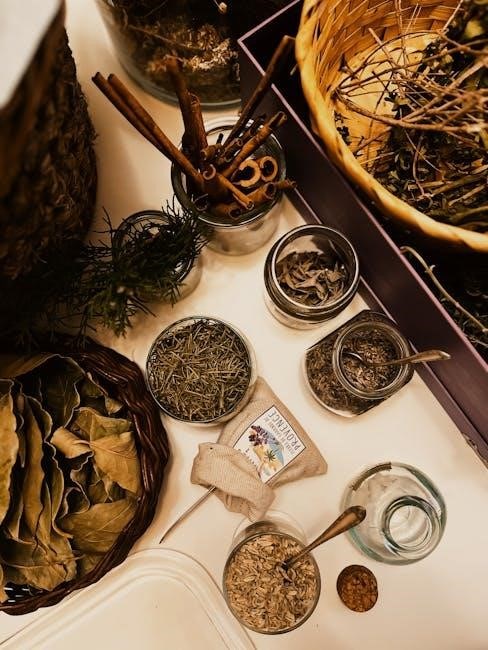
Herbology, the study of plants for medicinal purposes, is gaining popularity as a self-directed learning path, offering accessible knowledge through various resources.
Studying at home provides flexibility, allowing individuals to learn at their own pace and build a personalized curriculum utilizing free and paid materials.
Numerous online platforms and downloadable PDFs, like Christopher Hobbs’ work, facilitate a comprehensive understanding of herbal actions and applications for budding herbalists.
What is Herbology?
Herbology, at its core, is the study of plants and their medicinal properties – a practice deeply rooted in history and tradition. It’s far more than simply identifying plants; it encompasses understanding their chemical constituents, how they interact with the human body, and their appropriate uses for promoting wellness.
For those pursuing herbology for home study, it’s a journey into botanical knowledge, learning to harness nature’s pharmacy. This includes exploring traditional uses passed down through generations, alongside modern scientific research validating these practices. Resources like downloadable PDFs, such as Christopher Hobbs’ comprehensive guide to herbal actions, become invaluable tools.
The field delves into creating herbal preparations – tisanes, tinctures, salves – and understanding the nuances of herbal actions, like whether a plant is a nervine, diuretic, or adaptogen. Ultimately, herbology is about fostering a deeper connection with the natural world and empowering individuals to take a proactive role in their health.
Why Study Herbology at Home?
Studying herbology at home offers unparalleled flexibility, allowing learners to tailor their education to fit their lifestyles and interests. Unlike structured classroom settings, home study empowers individuals to progress at their own pace, revisiting concepts as needed and focusing on areas that resonate most.
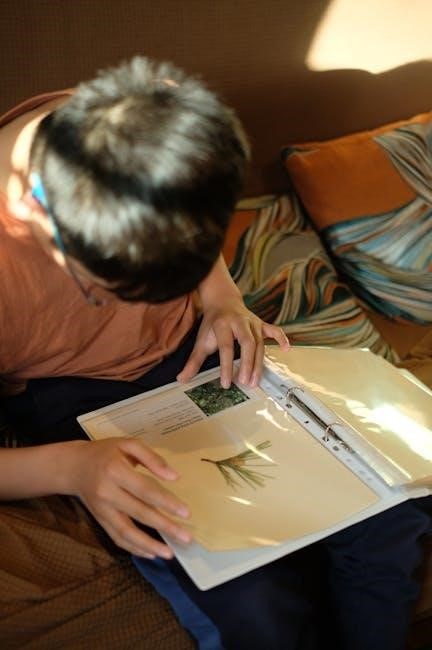
The accessibility of resources is a major advantage. Numerous free online resources, including downloadable herbology for home study PDFs, provide a wealth of information. This eliminates geographical barriers and reduces the financial commitment often associated with formal education.
Furthermore, home study fosters self-discipline and independent learning skills. It encourages a deeper, more personal connection with the material, transforming learning into a lifelong passion. The abundance of digital materials allows for a curated, personalized learning experience.
Free Online Resources for Herbology Students
Numerous digital platforms offer accessible herbology education, including free PDFs and comprehensive online libraries, empowering self-directed learning for aspiring herbalists.
The Herbalista Health Network
The Herbalista Health Network stands as a valuable, freely accessible resource for those embarking on a journey of self-study in herbology. This network provides a wealth of information and support for individuals interested in offering herbal health care, or simply deepening their personal understanding of plant medicine.
It’s a community-driven platform brimming with articles, discussions, and resources curated by experienced herbalists. Students can explore diverse topics, connect with like-minded individuals, and access a vast array of knowledge related to herbalism. The network’s strength lies in its collaborative spirit and commitment to making herbal education accessible to all.
For those seeking a starting point in their home study, The Herbalista Health Network offers a robust foundation, supplementing other learning materials and providing a space for ongoing exploration and growth within the herbal community.
Christopher Hobbs’ Herbal Actions PDF
Christopher Hobbs’ Herbal Actions PDF is considered a “hidden gem” and an incredibly valuable, freely available resource for herbology students. This comprehensive document meticulously outlines the various actions herbs exert on the body, providing a foundational understanding of how they work physiologically.
Understanding herbal actions – such as nervine, diuretic, or adaptogen – is crucial for effective herbal practice. Hobbs’ PDF breaks down these actions in a clear and concise manner, making it accessible even for beginners. It’s a fantastic tool for building a strong theoretical base and learning to categorize herbs based on their therapeutic properties.
This PDF serves as an excellent companion to practical studies, helping students connect herbal properties with real-world applications and deepen their knowledge of plant medicine.
The Outdoor Apothecary’s Online Library
The Outdoor Apothecary offers a robust online library as a cornerstone resource for those pursuing herbology through home study. This digital collection provides detailed information on a wide array of medicinal plants, going beyond simple identification to encompass comprehensive therapeutic knowledge.
Crucially, the library doesn’t just focus on traditional uses; it also incorporates available scientific research, offering a balanced perspective. Safety information is prominently featured, a vital component of responsible herbalism. Students can delve into the medicinal properties, potential contraindications, and appropriate applications of each plant.
This resource is invaluable for creating a well-rounded understanding of herbal medicine, supplementing other learning materials and fostering a deeper connection with the plant kingdom.
The Outdoor Apothecary’s Monthly Newsletter
The Outdoor Apothecary’s Monthly Newsletter serves as a vital current-events update for the dedicated home herbology student. It’s more than just promotional material; it’s a curated digest of the latest research and developments within the field of herbalism, delivered directly to your inbox.
Staying informed is crucial in a constantly evolving field, and this newsletter provides precisely that. It highlights new studies, emerging trends, and important safety alerts, ensuring your knowledge remains up-to-date.
Subscribing offers a convenient way to expand your understanding beyond static resources like PDFs and books, fostering continuous learning and a deeper engagement with the world of plant medicine.
The Outdoor Apothecary’s Webinars & Courses

The Outdoor Apothecary elevates the home study experience beyond self-directed PDF reading with its dynamic webinars and comprehensive online courses. These offerings provide structured learning opportunities, guided by experienced herbalists, fostering a deeper understanding of complex topics.
Webinars offer interactive sessions, allowing for real-time Q&A and community engagement, while courses delve into specialized areas like herbal medicine, botany, and holistic nutrition. This structured approach complements independent study, solidifying knowledge and building practical skills;
These resources are ideal for students seeking a more immersive learning experience, bridging the gap between theoretical knowledge and practical application within the realm of herbology.
Paid Home Study Courses
Investing in structured courses, like those from the Florida School of Holistic Living, provides in-depth learning with curated materials, videos, and expert guidance;
These programs offer a focused curriculum, often including live sessions and community support, enhancing the home study experience beyond PDF resources.
Florida School of Holistic Living: Roots of Herbalism
The Roots of Herbalism home study course, offered by the Florida School of Holistic Living, presents a comprehensive pathway for aspiring herbalists seeking a deeper understanding of plant medicine. This program distinguishes itself by blending ecological perspectives with practical herbal skills, fostering a holistic approach to health and wellness.
Unlike solely relying on a herbology for home study PDF, this course provides a structured learning environment. Students delve into the philosophies underpinning ecological herbalism, exploring the interconnectedness between plants, people, and the environment. A significant focus is placed on herbal nutrition, teaching students how to utilize herbs to support optimal health through dietary integration.
The course isn’t just theoretical; it emphasizes hands-on learning, equipping students with the knowledge to confidently create their own herbal preparations, including traditional tisanes and other remedies. Furthermore, the program fosters a sense of community through monthly live online sessions, offering opportunities for interaction with fellow students and experienced herbalists.
Roots of Herbalism ⎻ Course Overview
The Roots of Herbalism course, a cornerstone offering from the Florida School of Holistic Living, is designed as a robust home study experience, extending beyond a simple herbology for home study PDF. It’s structured around a seven-month curriculum, running from October through April, with a strong emphasis on live, interactive learning.
Each month features a virtual class, fostering a collaborative environment where students connect with peers and benefit from the guidance of Community Herbalist students. Beyond the core curriculum, participants gain access to exclusive discounts from reputable herbal companies, reducing the financial burden of building a personal apothecary.
A curated collection of supplemental materials, including videos, detailed PDFs, and comprehensive e-books, enriches the learning experience. This multifaceted approach ensures students receive a well-rounded education, preparing them to confidently apply herbal knowledge in real-world settings.
Course Components: Videos, PDFs & E-books
The Roots of Herbalism course distinguishes itself through a diverse range of learning materials, extending far beyond a standard herbology for home study PDF. Students benefit from a carefully curated collection of instructional videos, providing visual demonstrations of herbal preparation techniques and plant identification.
Complementing the videos are in-depth PDF documents, offering detailed information on herbal actions, plant profiles, and formulation guidelines. These PDFs serve as valuable reference materials for ongoing study and practical application.
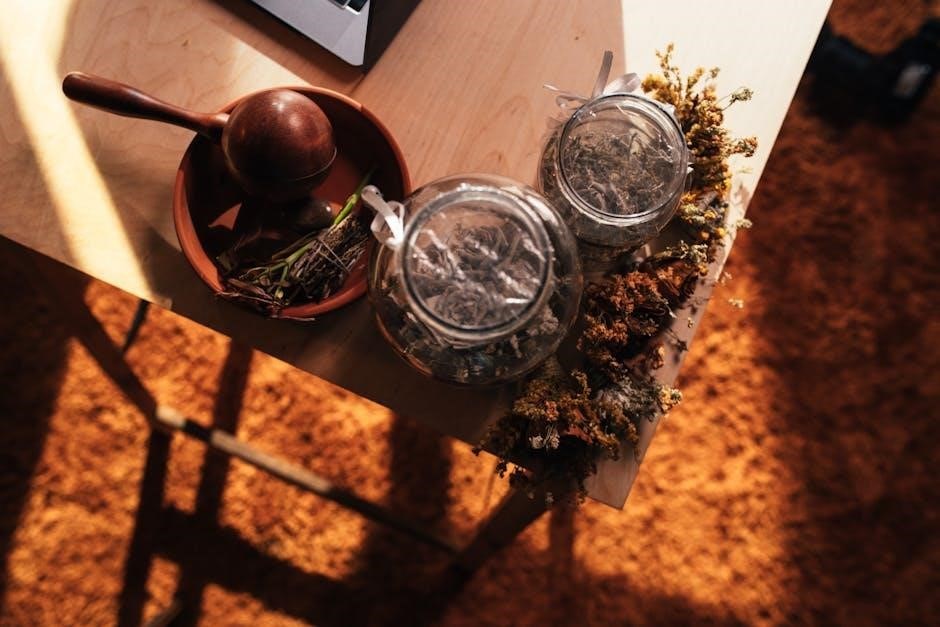
Furthermore, the course includes access to a library of e-books, expanding upon core concepts and exploring specialized areas within herbalism. This blended learning approach caters to various learning styles, ensuring a comprehensive and engaging educational experience for all participants.
Key Areas of Herbology Study
Essential study areas encompass herbal actions, understanding how plants affect the body, and mastering herbal preparations like tisanes, alongside ecological perspectives.
A solid herbology for home study PDF will cover these interconnected facets, building a holistic understanding of plant medicine and wellness.
Herbal Actions
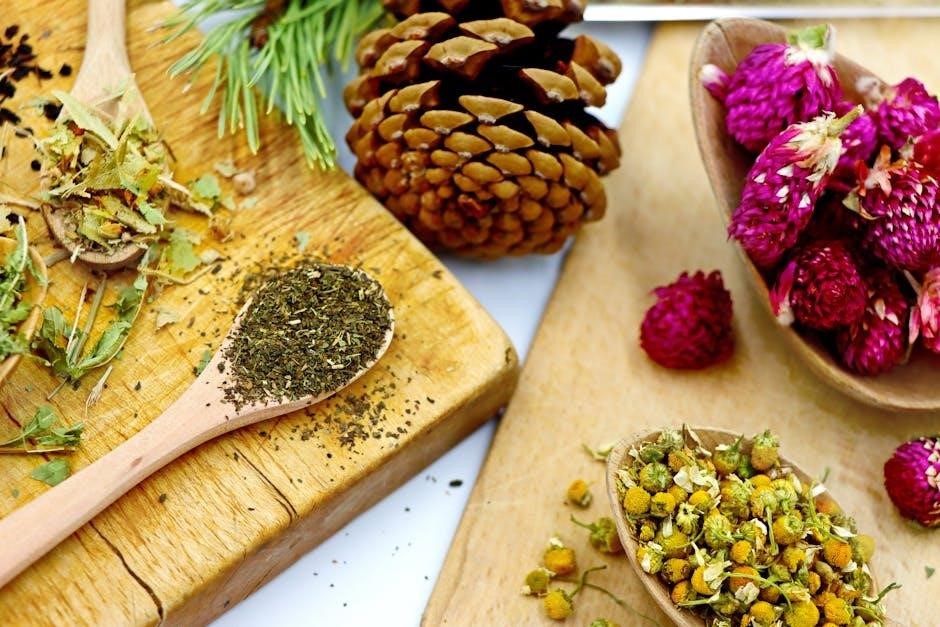
Understanding herbal actions is foundational to effective herbology, and a comprehensive home study PDF should dedicate significant space to this crucial topic. Herbal actions describe how an herb impacts the body, rather than what conditions it treats. This nuanced approach is central to holistic herbalism.
Key actions include nervines (calming the nervous system), adaptogens (helping the body resist stress), carminatives (relieving gas and bloating), and vulneraries (healing wounds). A quality resource, like Christopher Hobbs’ PDF, will detail these and many more, explaining the physiological mechanisms at play.
Learning to categorize herbs by their actions allows for targeted formulation and a deeper understanding of their therapeutic potential. It moves beyond rote memorization of plant-ailment pairings, fostering a more intuitive and effective practice. Recognizing these actions is paramount for safe and responsible herbal application.
Herbal Preparations (Tisanes, etc;)
A robust herbology home study PDF must thoroughly cover herbal preparations, moving beyond simply identifying plants to understanding how to extract and utilize their medicinal properties. Tisanes (herbal teas) are an excellent starting point, offering a gentle and accessible method of consumption.
However, the scope extends far beyond tea! Infusions, decoctions, tinctures, salves, and poultices each employ different techniques to isolate and preserve herbal constituents. The PDF should detail the appropriate methods for each, including ratios, solvents, and safety considerations.
Understanding extraction methods is vital; some compounds are water-soluble, while others require alcohol or oil. Practical guidance on creating these preparations empowers students to confidently craft their own remedies, fostering self-sufficiency and a deeper connection to the herbal world.
Ecological Herbalism & Holistic Health
A comprehensive herbology for home study PDF shouldn’t isolate herbs as mere symptom-treatments, but integrate them within the broader context of ecological herbalism and holistic health. This perspective emphasizes the interconnectedness of plant, person, and planet.
Ecological herbalism considers a plant’s habitat, growing conditions, and ethical sourcing – recognizing that a plant’s vitality directly impacts its medicinal potency. Holistic health addresses the root causes of imbalance, considering physical, emotional, and spiritual wellbeing.
The PDF should explore how lifestyle factors like diet, stress, and environment influence health, and how herbalism can support overall wellness. It’s about fostering a symbiotic relationship with nature, promoting preventative care, and understanding the individual’s unique constitution.

Building Your Home Herbology Library
Curating resources, including a foundational herbology for home study PDF, is vital; books and digital collections offer in-depth knowledge and practical application skills.
A well-rounded library supports continuous learning and expands your understanding of plant medicine and holistic wellness practices.
Essential Herbology Books
Building a solid foundation in herbology requires access to authoritative texts, supplementing digital resources like a comprehensive herbology for home study PDF. Several books stand out as essential for both beginners and experienced learners. Consider starting with works that cover materia medica – detailed descriptions of individual herbs and their properties.
Focus on texts that emphasize plant identification, ethical wildcrafting (if applicable), and safe herbal preparation techniques. Books detailing herbal actions, like those by Christopher Hobbs, are invaluable for understanding how herbs work within the body.
Don’t overlook ecological herbalism texts, which explore the interconnectedness of plants, people, and the environment. These resources provide a holistic perspective, crucial for responsible herbal practice. A curated collection of these books, alongside readily available PDFs, will empower your home study journey and foster a deeper connection with the plant world.
Creating a Digital Herbology Resource Collection
Supplementing physical books with a well-organized digital library is vital for modern herbology students. Begin by downloading essential herbology for home study PDFs, such as Christopher Hobbs’ “Herbal Actions,” offering a foundational understanding of plant properties.
Utilize online libraries like The Outdoor Apothecary’s, which provides detailed plant monographs and safety information. Organize these resources into folders based on categories – materia medica, herbal actions, preparations, and ecological perspectives.
Regularly back up your digital collection to prevent data loss. Explore reputable websites and newsletters, like The Herbalista Health Network, for current research and articles. A curated digital collection, alongside a core set of PDFs, creates a dynamic and accessible learning environment, enhancing your home study experience.
Safety Considerations in Home Herbology
Prioritize accurate plant identification and be aware of potential herb-drug interactions when studying herbology; reliable PDFs and resources are crucial for safe practice.
Identifying Plants Correctly
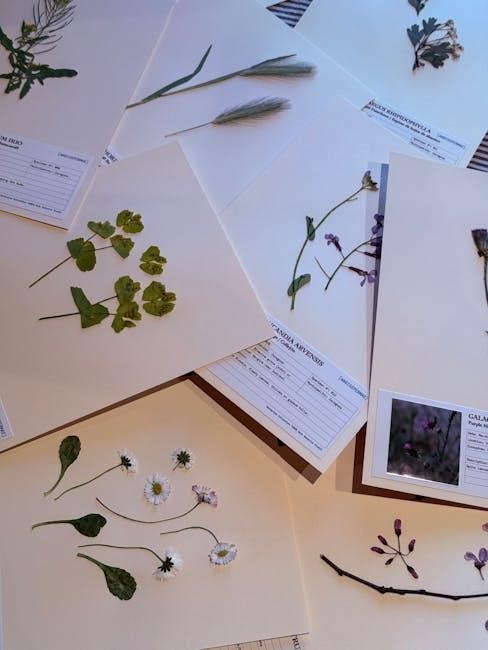
Accurate plant identification is paramount in herbology, especially when self-studying with resources like PDFs. Misidentification can lead to ineffective remedies or, more seriously, adverse reactions. Relying solely on images in a PDF isn’t sufficient; cross-reference with multiple sources.
Begin with botanical keys and field guides specific to your region. Pay close attention to details like leaf shape, flower structure, stem characteristics, and habitat. Consider joining local foraging groups or workshops led by experienced herbalists to gain hands-on learning.
Always confirm a plant’s identity before consumption or use. When using a PDF resource, verify the information against reputable botanical databases; Never ingest a plant unless you are 100% certain of its identification, and start with small amounts to assess tolerance.
Potential Herb-Drug Interactions
When studying herbology, particularly through home study and PDFs, understanding potential interactions between herbs and conventional medications is crucial for safety. Herbs can influence drug metabolism, altering their effectiveness or increasing side effects.
Many herbs affect liver enzymes responsible for processing drugs. For example, St. John’s Wort is known to interact with numerous medications, including antidepressants and birth control pills. Always research potential interactions before combining herbs with any prescription or over-the-counter drugs.
Consult with a qualified healthcare professional – a doctor or pharmacist – before using herbs if you are taking medication. A comprehensive PDF resource should highlight these cautions, but independent verification is vital. Prioritize safety and informed decision-making.