Article Plan: “Free Children’s Books in Children’s Hands 6th Ed. PDF”

This guide explores children’s literature, its creators, and diverse cultural representation, with the 6th Edition boasting full-color illustrations and updated annotations for educators.
The 6th Edition of “Children’s Books in Children’s Hands” arrives as a significantly enhanced resource for educators and anyone dedicated to fostering a love of reading in young minds. This iteration builds upon the established foundation of previous editions, continuing to serve as a comprehensive roadmap to navigate the dynamic world of children’s literature.
Recognizing the evolving landscape of both literature and pedagogy, this edition incorporates substantial updates. These include a vibrant infusion of full-color illustrations and artwork, meticulously revised title annotations reflecting current publications, and innovative teaching ideas designed to engage students effectively. Furthermore, the 6th Edition provides crucial coverage of genre shifts and a greatly expanded focus on multicultural and international books, acknowledging the importance of diverse representation.
This edition isn’t merely an update; it’s a reimagining, ensuring its continued relevance and value in a rapidly changing educational environment. It aims to equip readers with the knowledge and tools necessary to select and share literature that will inspire and empower the next generation.
What is “Children’s Books in Children’s Hands”?
“Children’s Books in Children’s Hands” is an authoritative and widely-respected guide designed to illuminate the multifaceted world of children’s literature. It functions as both an introduction and a comprehensive resource, meticulously mapping out the landscape for students, teachers, and anyone involved in sharing books with children.
The book delves into the core elements of this literary realm, exploring not only the books themselves but also the individuals who create them – writers, illustrators, editors, and critics. A key strength lies in its strong emphasis on books representing a multitude of cultural groups, promoting inclusivity and understanding.
Essentially, it’s a practical toolkit, offering insights into selecting high-quality literature and effectively integrating it into educational settings. The 6th Edition continues this tradition, providing a richly illustrated and updated perspective on this vital field.
Authors and Their Expertise
“Children’s Books in Children’s Hands” benefits from a collaborative effort by a team of highly respected experts in children’s literature and education. This collective expertise ensures a well-rounded and insightful approach to the subject matter, covering both the artistic and pedagogical aspects of children’s books.
The authors – Temple, Charles Martinez, Miriam Yokota, Junko Naylor, Alice Freeman, Evelyn B. Moss, and Joy Moss – each bring unique strengths and perspectives to the project. Their combined experience encompasses areas like literary criticism, curriculum development, and multicultural literature.
This collaborative authorship allows the book to offer a comprehensive overview, addressing the evolving trends and challenges within the field, and providing practical guidance for educators seeking to foster a love of reading in young learners.
Charles Martinez
Charles Martinez is a distinguished contributor to “Children’s Books in Children’s Hands,” bringing a wealth of knowledge and experience in the realm of children’s literature. His expertise centers on understanding the nuances of storytelling and its impact on young readers, particularly concerning diverse narratives.
Martinez’s work focuses on analyzing how books shape children’s perceptions of the world and their place within it. He champions the inclusion of multicultural and international literature, advocating for representation that reflects the rich tapestry of human experience.
Through his contributions, Martinez helps educators navigate the complexities of selecting and sharing books that promote empathy, critical thinking, and a lifelong appreciation for reading.
Miriam Yokota

Miriam Yokota is a pivotal author within “Children’s Books in Children’s Hands,” renowned for her dedication to fostering culturally relevant literacy practices. Her scholarship emphasizes the importance of selecting children’s literature that authentically portrays diverse experiences and perspectives.
Yokota’s expertise lies in equipping educators with the tools to critically evaluate books, ensuring they avoid stereotypes and promote inclusivity. She advocates for a curriculum that celebrates the contributions of various cultural groups and empowers students to become informed, engaged citizens.
Her work within the text provides practical guidance on integrating multicultural literature into classroom settings, enriching the learning experience for all students.
Junko Naylor
Junko Naylor, a distinguished contributor to “Children’s Books in Children’s Hands,” brings a wealth of knowledge regarding international children’s literature and its pedagogical applications. Her focus centers on broadening the scope of children’s reading experiences beyond Western narratives, fostering global awareness and understanding.
Naylor’s expertise is crucial in navigating the complexities of selecting and utilizing books that accurately represent diverse cultures and avoid cultural appropriation. She champions the inclusion of stories that offer authentic windows into different ways of life, promoting empathy and respect among young readers.
Her contributions to the 6th edition enhance the book’s coverage of international titles and provide educators with valuable resources for culturally sensitive teaching.
Alice Freeman
Alice Freeman is a valued author within the collaborative team behind “Children’s Books in Children’s Hands,” lending her expertise to the understanding and application of children’s literature in educational settings. Her work emphasizes the practical aspects of integrating literature into the curriculum, offering teachers actionable strategies for fostering a love of reading.
Freeman’s contributions focus on equipping educators with the tools to effectively share literature with children, maximizing its impact on literacy development and critical thinking skills. She provides insights into selecting age-appropriate books and designing engaging reading experiences.
Within the 6th edition, Freeman’s insights contribute to the updated teaching ideas and practical guidance offered throughout the text.
Evelyn B. Moss
Evelyn B. Moss is a significant contributor to “Children’s Books in Children’s Hands,” bringing a wealth of knowledge regarding children’s literature and its pedagogical applications. Her expertise centers on how books can be utilized to enhance learning and cultivate a lifelong appreciation for reading in young learners.
Moss’s work within the book emphasizes the importance of selecting high-quality literature that reflects diverse perspectives and experiences. She advocates for inclusive reading lists that represent a wide range of cultural backgrounds and identities.
Her contributions to the 6th edition are vital in ensuring the book remains a relevant and comprehensive resource for educators seeking to promote literacy and cultural understanding.

Joy Moss
Joy Moss, alongside Evelyn B. Moss, forms a powerful duo within the authorship of “Children’s Books in Children’s Hands,” dedicating her career to the exploration and promotion of impactful children’s literature. Her focus lies in equipping educators with the tools and insights needed to effectively integrate literature into their teaching practices.
Moss’s contributions highlight the crucial role of literature in fostering critical thinking, empathy, and a deeper understanding of the world among young readers. She champions the selection of books that are both engaging and intellectually stimulating.
Her work in the 6th edition ensures the continued relevance of the book as a cornerstone resource for those dedicated to nurturing a love of reading in children.
Key Features of the 6th Edition
The 6th Edition of “Children’s Books in Children’s Hands” represents a significant upgrade, designed to better serve educators and future teachers navigating the evolving landscape of children’s literature. A standout feature is the inclusion of vibrant, full-color illustrations and art, enhancing the visual appeal and engagement for readers;
Furthermore, the title annotations have been thoroughly updated to reflect current publications and critical perspectives. New teaching ideas are incorporated, offering practical strategies for classroom implementation. The edition also provides comprehensive coverage of genre shifts, acknowledging emerging trends in children’s books.
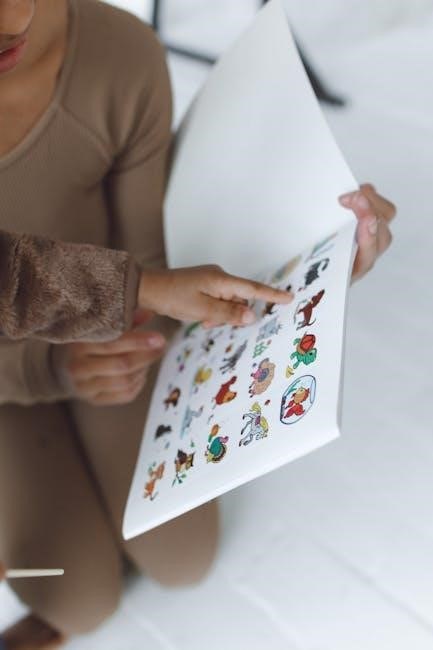
Notably, there’s an expanded focus on multicultural and international books, crucial for fostering inclusivity and global awareness.
Full-Color Illustrations and Art
A defining characteristic of the 6th Edition is the complete integration of full-color illustrations and artwork throughout the text. This isn’t merely an aesthetic enhancement; it fundamentally alters the learning experience, providing visual examples of book covers, interior illustrations, and artistic styles prevalent in contemporary children’s literature.
These visuals serve as invaluable tools for educators, allowing them to showcase examples to students and facilitate discussions about artistic techniques and their impact on storytelling. The inclusion of art also aids in identifying different illustration styles and understanding how they complement the narrative.
The vibrant imagery enhances engagement and makes the book more accessible, particularly for visual learners, enriching the overall educational value.
Updated Title Annotations
The 6th Edition features significantly revised and expanded title annotations, reflecting the dynamic landscape of children’s literature since the previous publication. These annotations go beyond simple summaries, offering insightful commentary on each book’s themes, literary merit, and potential classroom applications.
Updates include assessments of newer titles and revisions to existing entries to reflect current critical perspectives and evolving understandings of diverse representation. Educators will find detailed information regarding age appropriateness, reading levels, and potential discussion points.
These annotations are crucial for informed book selection, enabling teachers to choose titles that align with curriculum goals and meet the diverse needs of their students. The enhanced annotations ensure the book remains a relevant and reliable resource.
New Teaching Ideas
The 6th Edition introduces a wealth of fresh, practical teaching ideas designed to invigorate literacy instruction and foster a deeper appreciation for children’s literature. These ideas move beyond traditional lesson plans, offering innovative approaches to engaging students with texts.
Included are suggestions for incorporating diverse learning styles, promoting critical thinking, and encouraging creative expression. Educators will discover strategies for utilizing literature to address social-emotional learning, build empathy, and explore complex themes.
These new ideas are directly linked to the updated title annotations, providing seamless integration of book selection and pedagogical practice. The aim is to empower teachers with the tools to create dynamic and meaningful learning experiences for all students.
Coverage of Genre Shifts
The 6th Edition keenly addresses the evolving landscape of children’s literature genres, recognizing significant shifts in recent years. This includes a detailed examination of the rise of graphic novels, hybrid forms, and the increasing popularity of non-fiction for young readers.
The book provides educators with the necessary framework to understand these genre changes and effectively incorporate them into their curriculum. It explores how these shifts impact reading comprehension, engagement, and literary analysis.
Furthermore, it offers guidance on selecting age-appropriate materials within these emerging genres and fostering a critical awareness of genre conventions. This coverage ensures teachers are well-equipped to navigate the dynamic world of children’s books.
Expanded Multicultural and International Books
A cornerstone of the 6th Edition is its significantly expanded coverage of multicultural and international children’s literature. Recognizing the vital importance of diverse representation, the book showcases a broader range of voices and perspectives from around the globe.
This expansion goes beyond simply including books about different cultures; it prioritizes works created by authors and illustrators from those communities, ensuring authenticity and nuanced storytelling. The edition highlights titles representing a multitude of cultural groups, fostering inclusivity.
Educators will find valuable resources for selecting books that accurately and respectfully portray diverse experiences, promoting cross-cultural understanding and empathy among young readers. This commitment to diversity is central to the book’s mission.
The Importance of Diverse Representation in Children’s Literature
Diverse representation in children’s literature is no longer a matter of simply being “inclusive,” but a critical component of a child’s development and understanding of the world. The 6th Edition of “Children’s Books in Children’s Hands” deeply emphasizes this principle, recognizing literature’s power to shape perceptions and build empathy.
When children see themselves reflected in the books they read, it validates their experiences and fosters a sense of belonging. Conversely, exposure to diverse characters broadens their perspectives and challenges preconceived notions.
This edition champions books that authentically portray a wide range of cultures, backgrounds, and identities, promoting social justice and equity. It equips educators with the tools to select literature that celebrates differences and fosters a more inclusive classroom environment.

Cultural Groups Highlighted in the Book
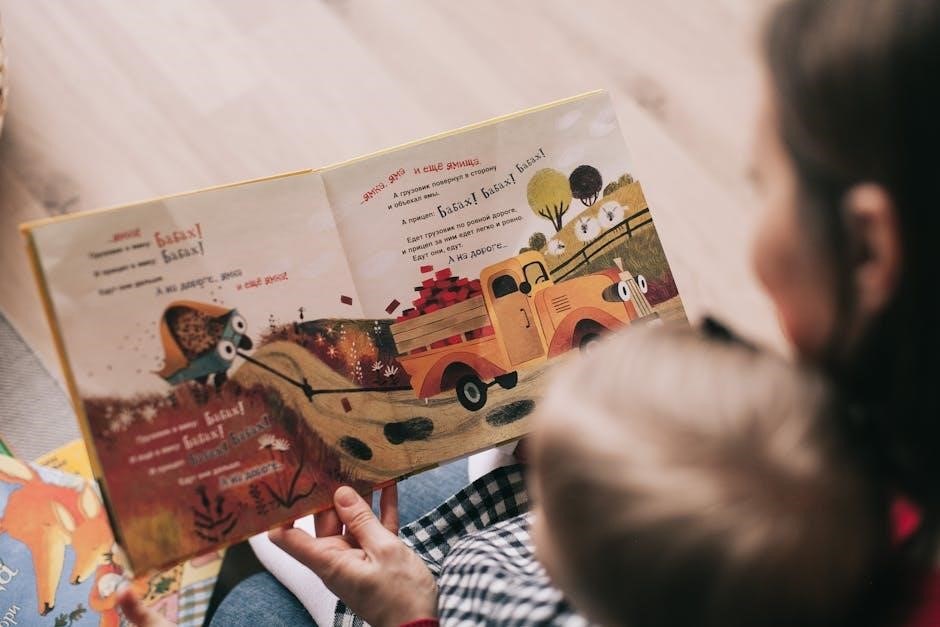
“Children’s Books in Children’s Hands,” 6th Edition, provides thorough coverage of multicultural and international books, showcasing literature representing a vast spectrum of cultural groups. The book doesn’t offer a simple checklist, but rather a nuanced exploration of representation.
It delves into literature reflecting the experiences of African American, Latinx, Asian, and Indigenous communities, alongside stories from various European and global cultures. The emphasis is on authentic portrayals, avoiding stereotypes and promoting accurate cultural understanding.
The book also addresses the importance of representing diverse family structures, abilities, and socioeconomic backgrounds. It serves as a valuable resource for educators seeking to curate collections that truly reflect the diversity of their students and the world around them.
Understanding the World of Children’s Literature
“Children’s Books in Children’s Hands,” 6th Edition, establishes a comprehensive roadmap for navigating the complex landscape of children’s literature. It moves beyond simply listing titles, aiming to foster a deep understanding of the field’s key players and evolving trends.
The book meticulously examines the roles of writers and illustrators, exploring their creative processes and contributions to the genre. It also sheds light on the crucial work of editors and critics, who shape and evaluate children’s books.
Furthermore, it analyzes genre shifts and emerging trends, equipping readers with the knowledge to stay current in this dynamic field. This edition provides a foundational understanding for anyone involved in children’s literacy, from teachers to librarians to parents.
Writers and Illustrators
“Children’s Books in Children’s Hands” dedicates significant attention to the creators behind beloved children’s stories – the writers and illustrators. It doesn’t merely present their names, but delves into their unique contributions to the field of children’s literature.
The book explores how writers craft narratives that resonate with young readers, considering elements like plot, character development, and thematic relevance. Simultaneously, it highlights the vital role of illustrators in bringing these stories to life through visual storytelling.
Understanding their collaborative process and individual artistic styles is key. The 6th Edition aims to provide insights into the creative minds shaping children’s reading experiences, fostering appreciation for their artistry and skill.
Editors and Critics
Beyond authors and illustrators, “Children’s Books in Children’s Hands” acknowledges the crucial, often unseen, roles of editors and critics in shaping the landscape of children’s literature. Editors are the gatekeepers, refining manuscripts and ensuring quality, while critics offer valuable analysis and interpretation.
The book examines how editors collaborate with writers to polish stories, considering factors like age appropriateness, readability, and alignment with educational standards. It also explores the influence of critics in identifying noteworthy books and influencing reading trends.
Understanding their perspectives provides a comprehensive view of the publishing process. The 6th Edition emphasizes the importance of informed evaluation, helping educators and readers navigate the vast world of children’s books with discernment.
The Role of Literature in Child Development
“Children’s Books in Children’s Hands” profoundly emphasizes literature’s pivotal role in fostering holistic child development. Exposure to stories nurtures imagination, expands vocabulary, and cultivates critical thinking skills – essential building blocks for future success;

The book details how carefully selected literature can support emotional intelligence, allowing children to explore complex feelings and develop empathy through character experiences. It also highlights literature’s power to promote social awareness and understanding of diverse perspectives.
The 6th Edition underscores the importance of creating a literature-rich environment, providing practical ideas for educators and caregivers to effectively integrate books into a child’s learning journey, fostering a lifelong love of reading.
Sharing Literature with Children: Practical Ideas
“Children’s Books in Children’s Hands” doesn’t just analyze literature; it equips readers with actionable strategies for sharing it effectively. The 6th Edition expands upon these, offering richly illustrated, practical ideas for engaging children with stories.
Suggestions include interactive read-aloud techniques, encouraging children to predict outcomes, ask questions, and connect stories to their own lives. The book advocates for creating inviting reading spaces and incorporating diverse formats – picture books, chapter books, and poetry.
Furthermore, it emphasizes the value of book discussions, fostering critical thinking and collaborative learning. The guide provides guidance on selecting age-appropriate titles and tailoring activities to meet individual needs, maximizing the impact of each literary experience.
Accessing the PDF Version
The demand for a readily accessible “Children’s Books in Children’s Hands” 6th Edition PDF is understandable, given its value to educators and students. However, obtaining a legitimately free PDF requires careful navigation.
Numerous websites claim to offer free downloads, but many host illegal copies or contain malware. Caution is paramount; downloading from unverified sources poses significant risks. Resources like ALBASUTI IPGKSM are mentioned, but their legitimacy should be independently verified.
Legitimate access often involves purchasing the PDF through authorized educational platforms or the publisher. Exploring library databases and online learning resources provides ethical and safe alternatives to circumventing copyright restrictions.
Legality and Ethical Considerations of Free PDFs
Downloading a free PDF of “Children’s Books in Children’s Hands” from unauthorized sources raises serious legal and ethical concerns. Copyright law protects the authors and publisher’s intellectual property, making illegal distribution a violation.
Accessing pirated PDFs supports unethical practices and undermines the creation of future educational resources. Authors and publishers rely on sales to continue producing valuable work. Utilizing illegally obtained materials devalues their efforts.
Furthermore, websites offering free downloads often harbor malware or viruses, compromising your digital security. Supporting legitimate channels—purchasing the PDF or utilizing library resources—ensures ethical access and protects your system.
Where to Find Legitimate Resources
For authorized access to “Children’s Books in Children’s Hands, 6th Edition,” several reliable options exist. Purchasing the PDF directly from the publisher or reputable online booksellers guarantees a legal and secure copy, supporting the authors and ensuring quality.
Academic libraries frequently stock this essential text, offering students and educators access through interlibrary loan programs. University and college libraries are excellent starting points for research.
Exploring online platforms like Google Books or educational databases may provide preview chapters or limited access. Always verify the source’s legitimacy to avoid copyright infringement. Prioritizing legal avenues ensures ethical access and supports the continued development of valuable educational materials.
Alternatives to Downloading: Libraries and Online Platforms
Instead of seeking potentially illegal PDF downloads, numerous legitimate alternatives provide access to “Children’s Books in Children’s Hands, 6th Edition.” Public libraries offer physical copies for borrowing, fostering community access to vital educational resources. Many library systems also provide digital lending options, including eBooks and audiobooks, accessible through their websites or apps.
Online educational platforms and databases, often affiliated with universities, may grant access to the book for research purposes. Consider exploring resources like JSTOR or Project MUSE.
Utilizing these avenues supports authors and publishers while ensuring a safe and ethical reading experience, promoting literacy and responsible information consumption.
The Future of Children’s Literature and Literacy
The landscape of children’s literature is evolving, driven by demands for greater diversity, inclusivity, and representation – themes central to “Children’s Books in Children’s Hands, 6th Edition.” Digital formats, while presenting challenges regarding copyright and access, also offer innovative ways to engage young readers.
Interactive eBooks, enhanced with multimedia elements, and online storytelling platforms are becoming increasingly popular. However, the foundational importance of physical books and library access remains crucial for fostering a lifelong love of reading.
Continued emphasis on culturally relevant literature and supporting authors from diverse backgrounds will shape the future, ensuring all children see themselves reflected in the stories they read.